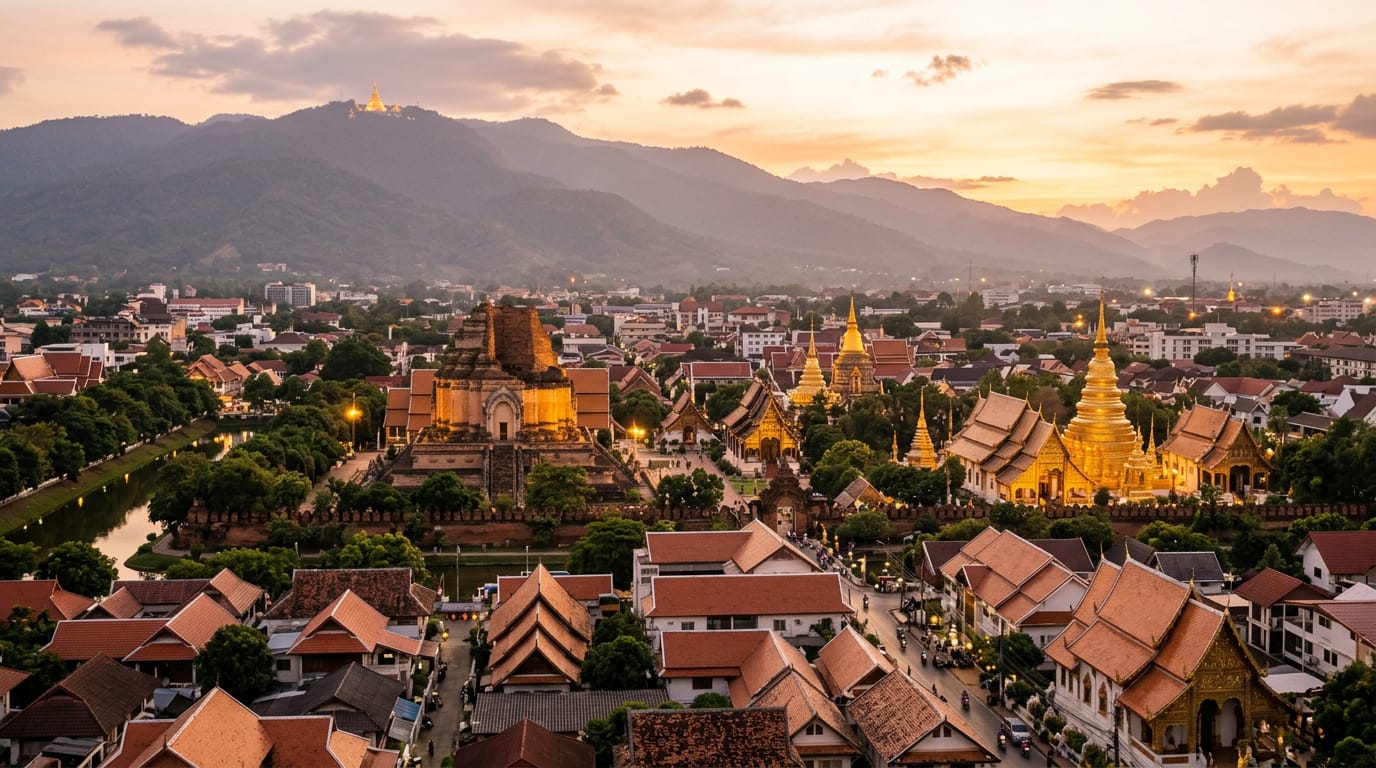
Beautiful Chiang Mai
The Rose of the North, one guide at a time.
A photo-rich, fact-checked field guide to Chiang Mai — Lanna temples, mountain trails, the seasonal festivals, and the markets that keep the city's craft tradition alive. Independently written; refreshed for 2026.
Chiang Mai sits at the foot of Doi Suthep in Thailand's mountainous north — a walled medieval capital ringed by rice valleys, more than 300 working Buddhist temples, four world-class hiking ranges and the country's largest annual festivals of light. This guide rebuilds the seasoned travel-blog approach for 2026: long-form articles, current opening hours and fees, sourced citations, and trail data verified against the Thai national park service.
Where to start
Six topical guides — each its own field manual. Pick the one that matches your visit.
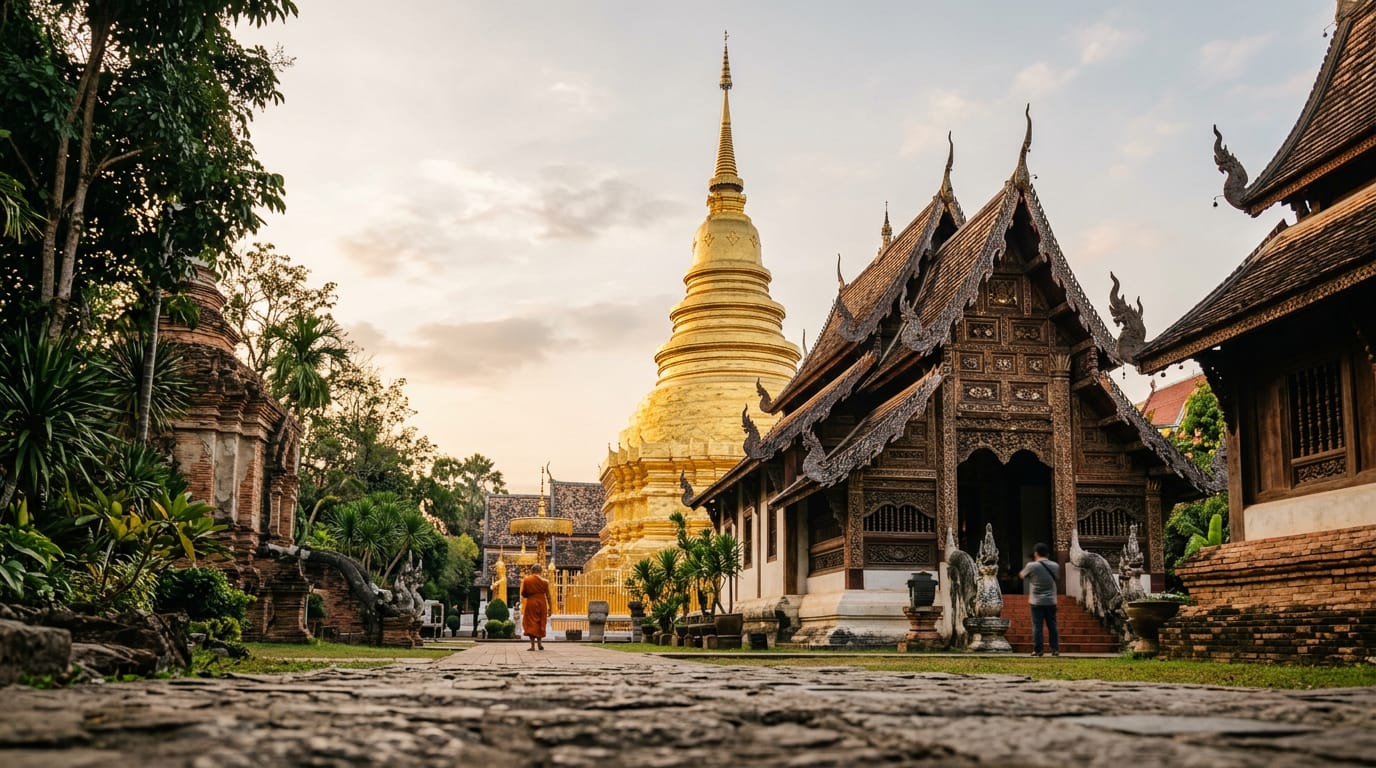
Wats
Temples of Chiang Mai
Lanna-era wats hidden inside the moat and tucked into the surrounding hills.
10 guides
Read the guide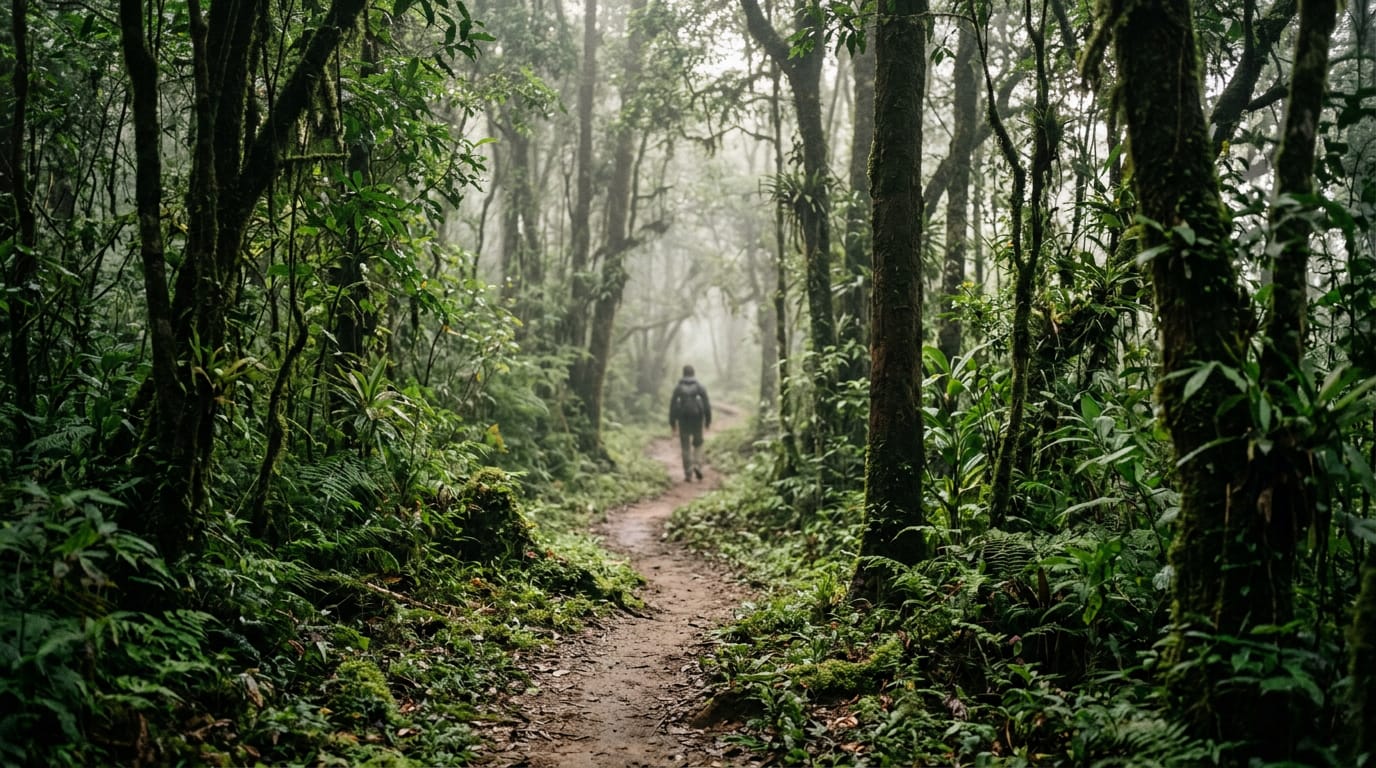
Trails
Hiking the Doi
Four flagship treks from Doi Suthep's back ridge to the highest summit in Thailand.
4 guides
Read the guide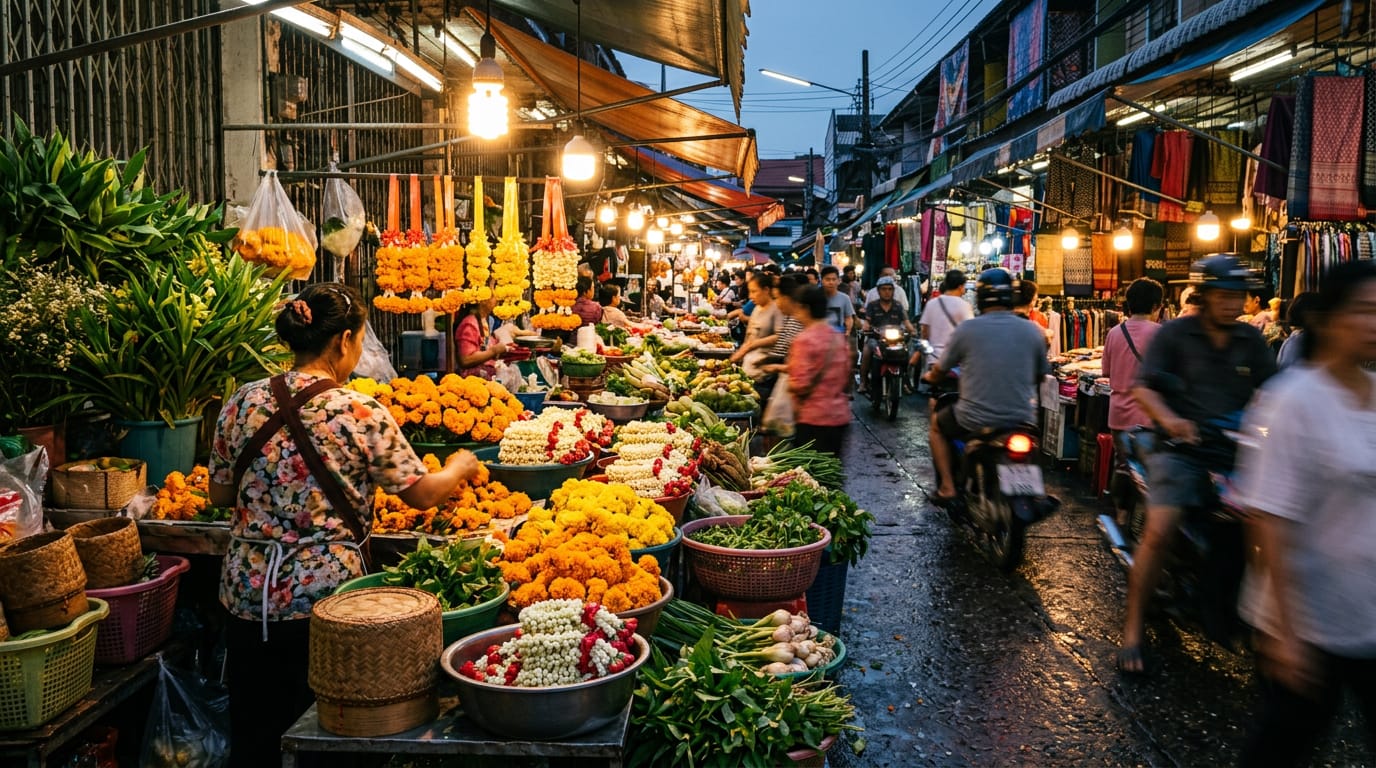
Markets
Markets & shopping
Flower stalls, Saturday walking streets, silver craftsmen, paper umbrellas.
8 guides
Read the guide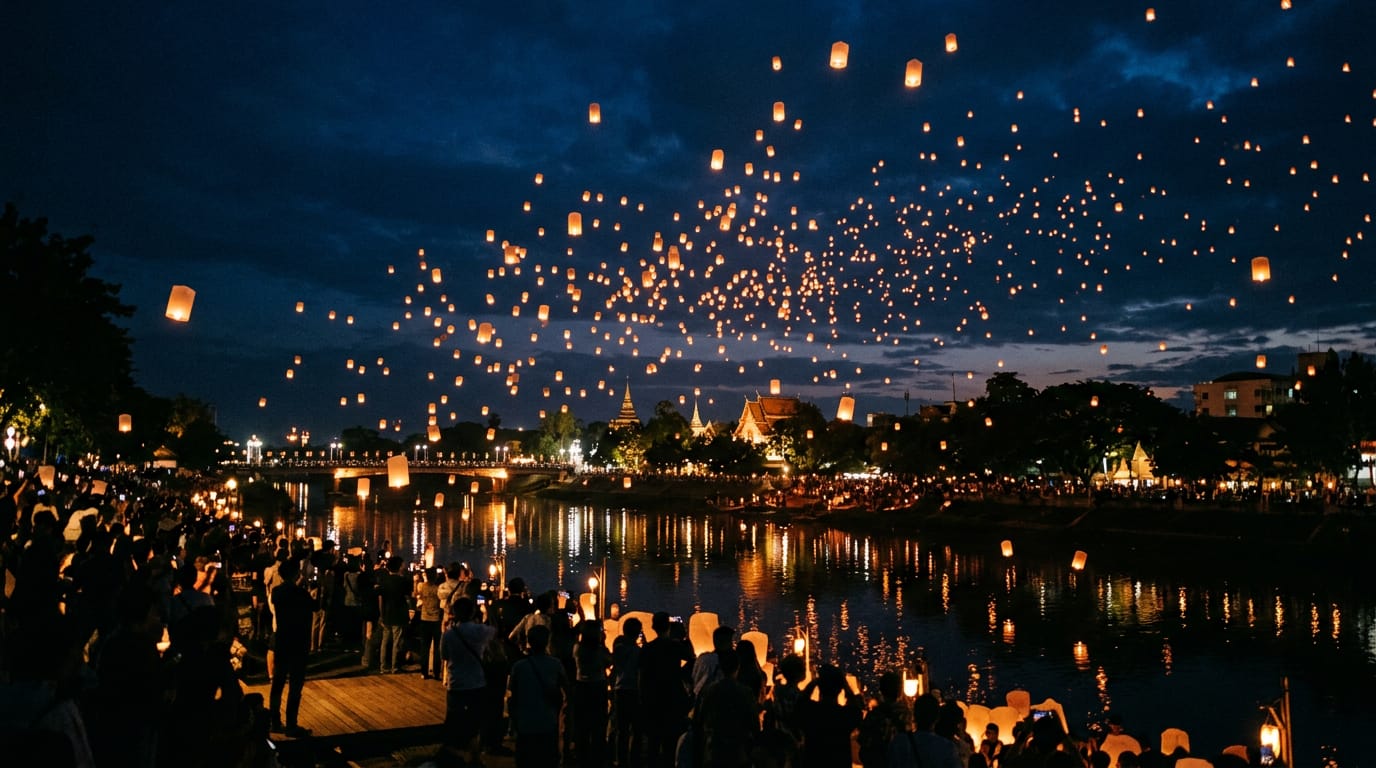
Festivals
Festivals & seasons
Yi Peng lanterns, the Flower Festival parade, Songkran water fights.
3 guides
Read the guide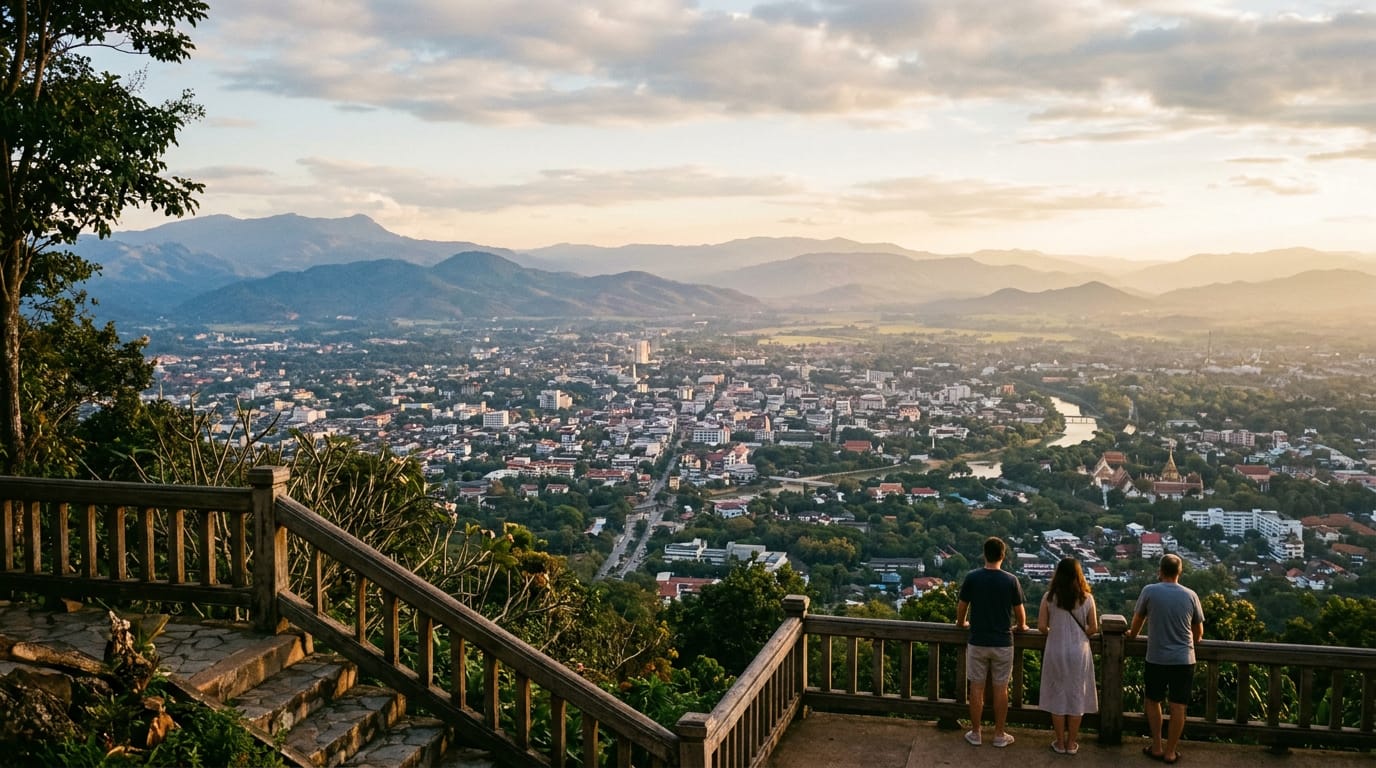
Sights
Mountains & nature
Doi Inthanon, Doi Suthep, Mae Sa Valley and the Royal Park.
5 guides
Read the guide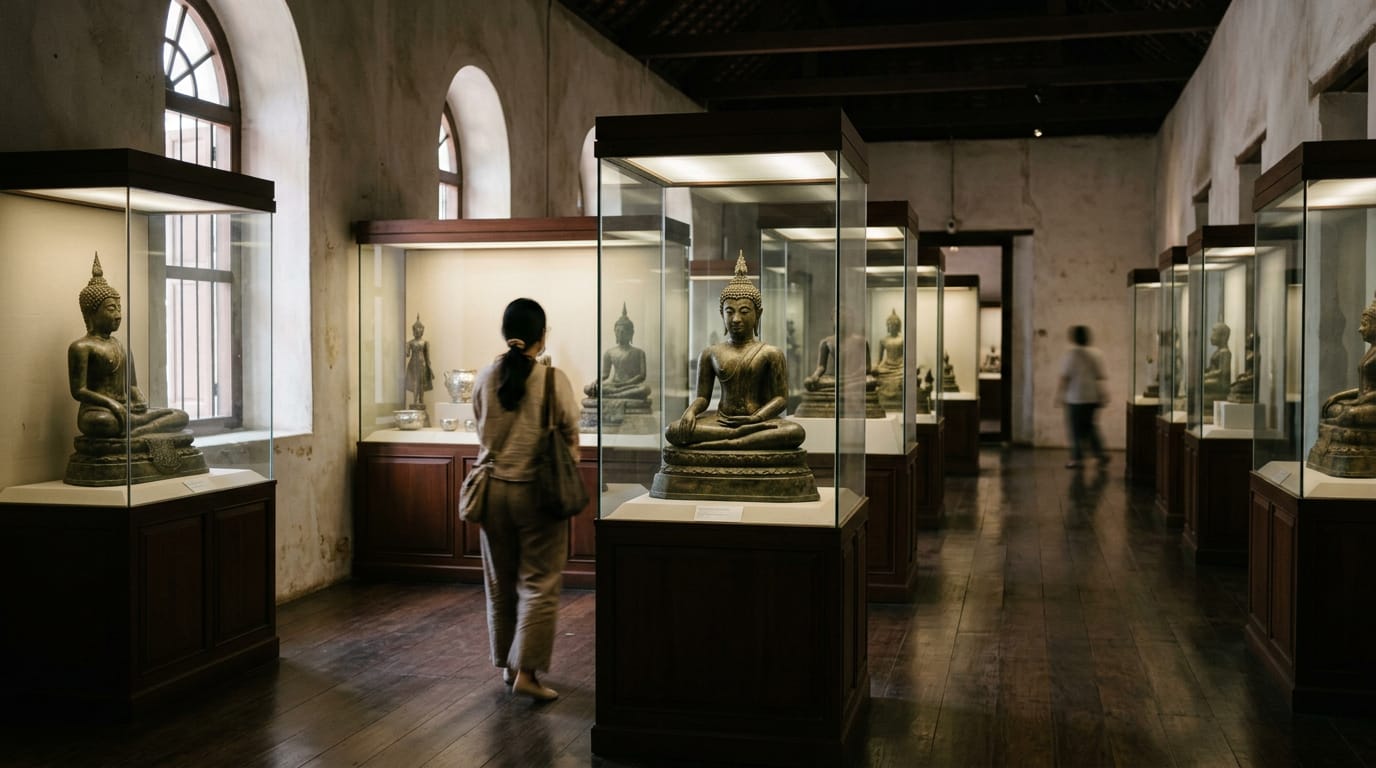
Museums
Museums
Lanna history, hill-tribe culture, the famous insect collection.
5 guides
Read the guideWhat's on right now
Two flagship dates anchor the Chiang Mai calendar. Plan around them.

Festival
Songkran (Thai New Year)
Songkran is Thailand's traditional New Year and Chiang Mai's biggest annual festival, held 13–15 April every year. It combines a centuries-old Buddha procession of the Phra Buddha Sihing image with a citywide water fight along the moat. Free public events run at Tha Phae Gate, Wat Phra Singh, Wat Chedi Luang, and the four moat sides, with the headline Buddha procession on day one and peak water fights on day three. Expect 35–40°C heat, dense crowds, and most of the Old City under cheerful soaking.
13 Apr 2026
Read the guide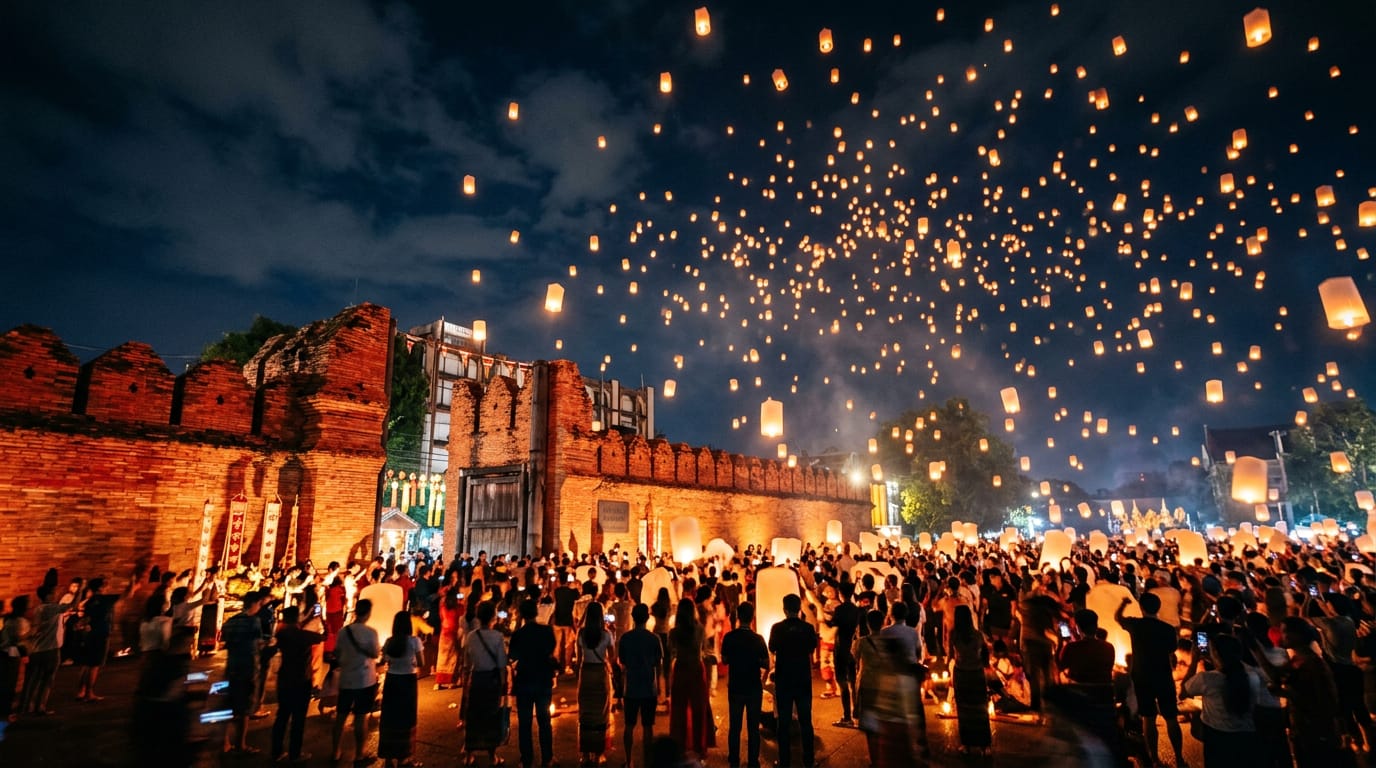
Festival
Yi Peng and Loy Krathong
Yi Peng and Loy Krathong are Chiang Mai's twin festivals of light, held together over three nights on the full moon of the twelfth lunar month. Yi Peng is the Lanna sky-lantern release; Loy Krathong is the all-Thai floating of candle-rafts on rivers and ponds. In 2026 the festival runs 23–25 November, with free public lantern releases at Tha Phae Gate, krathong floating along the Ping River and Wat Phra Singh, and large ticketed mass releases at Doi Saket and Mae Jo.
23 Nov 2026
Read the guideAbout visiting Chiang Mai
When is the best time to visit Chiang Mai?
November to February. The weather is cool and dry, the rice harvest is in, Yi Peng falls in November and the Flower Festival lands in mid-February. March and April bring intense burning-season haze; June to October is the green-season monsoon, which is cheaper and quieter but wetter.
How many days do I need in Chiang Mai?
Three to four full days cover the Old City temples, a half-day in Doi Suthep and a market evening. Add two more for a serious hike up Doi Pui or Doi Inthanon, and another for Mae Sa Valley or a cooking class. A week is the sweet spot.
Is Chiang Mai cheaper than Bangkok?
Yes. Mid-range hotels run about 30% less than the Bangkok equivalent and a sit-down meal at a riverside restaurant rarely passes 400 baht. Songthaew (red-truck) rides inside the moat cost 30 baht per person.
What is Chiang Mai famous for?
Three things: Lanna-era Buddhist temples (over 300 in the city alone), the surrounding mountains and their hiking trails, and the seasonal festivals — Yi Peng's sky lanterns, Loy Krathong's floating offerings, and the February Flower Festival parade.
Is the burning season a real problem?
Yes. Late February through April the air quality regularly hits AQI 200+ from agricultural burning in northern Thailand and Myanmar. If you have asthma, skip those months. Hiking is often closed and views from Doi Suthep are limited.
Do I need to dress conservatively at the temples?
Cover shoulders and knees inside any temple compound. Sarongs are sold or loaned at the gate of larger wats (Wat Phra Singh, Wat Chedi Luang). Shoes come off before stepping inside a viharn or chedi. No hats, no shorts above the knee, no see-through fabric.
How do I get around the Old City?
On foot. The walled Old City is about 1.5 km square, perfectly walkable. Beyond the moat, red songthaews function as shared taxis (30–50 baht). Grab works city-wide. Cycling the moat is pleasant outside burning season.
Where is Chiang Mai exactly?
Northern Thailand, 700 km north of Bangkok, near the foot of Doi Suthep mountain. It is the country's second city by cultural weight, founded in 1296 as the capital of the Lanna kingdom — "Lanna" meaning "the land of a million rice fields."