Museums
Museums of Chiang Mai
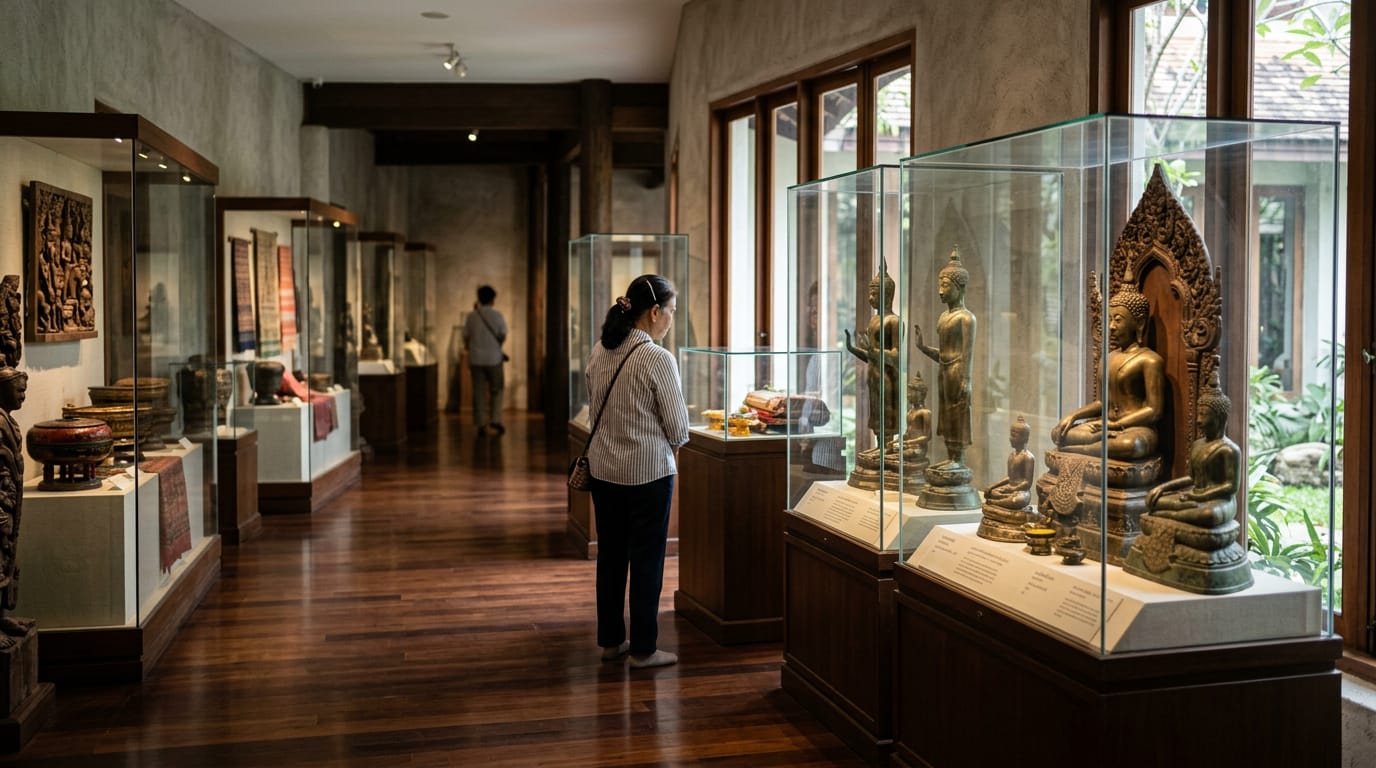
Chiang Mai has five museums worth the visit. Two are the standard public institutions (the National Museum and the city's Arts & Cultural Centre); one is the country's dedicated hill-tribe institution; one is a unique private collection of insects; and one is the often-overlooked Faculty of Arts museum at Chiang Mai University. None demand a full day; most pair well with a temple visit.
Updated
Museum
Chiang Mai City Arts and Cultural Centre
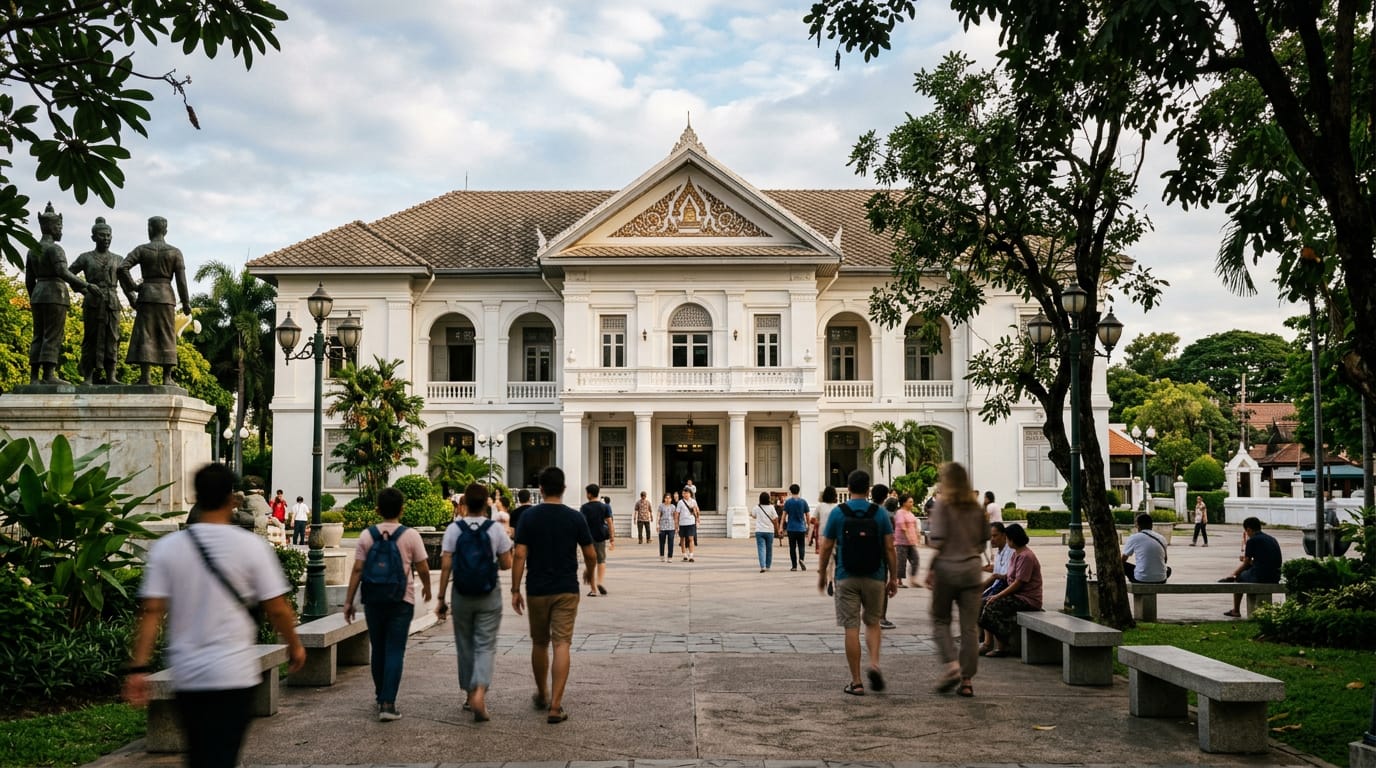
The City Arts and Cultural Centre occupies the restored 1924 colonial provincial hall on Three Kings Plaza, directly facing the monument to King Mangrai and his two royal allies. Fourteen thematic rooms run from the founding of Chiang Mai in 1296 through the Burmese occupation and the Siamese reunification to modern daily life, costume and religion. With the adjacent Lanna Folklife Museum and the Historical Centre behind it, the plaza forms the city's principal museum district.
Read the guide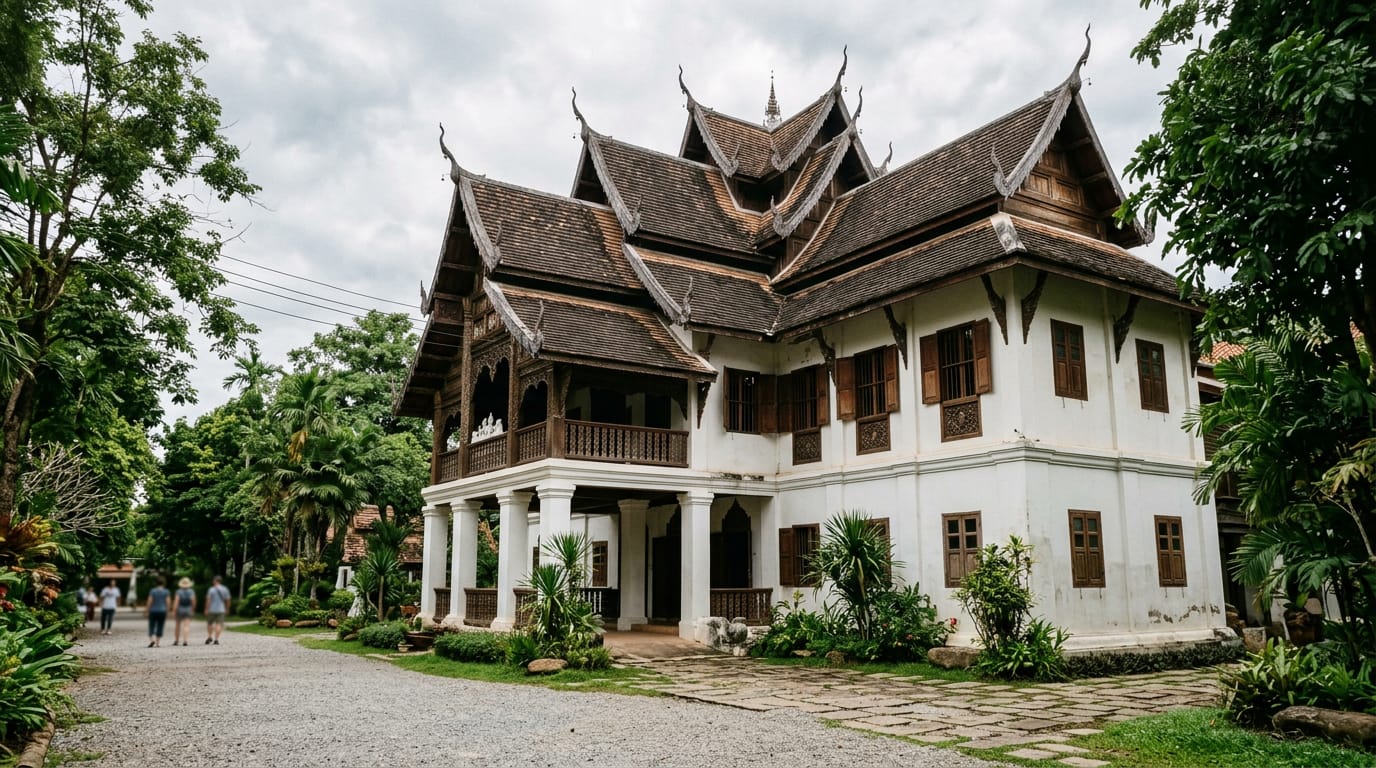
Museum
Chiang Mai National Museum
The Chiang Mai National Museum is the principal state collection for northern Thailand, housed in a purpose-built Lanna-influenced hall opened in 1973 under the Fine Arts Department. Its galleries run from Ban Chiang prehistoric pottery through Hariphunchai bronzes and the full sweep of the Mangrai dynasty to the modern royal regalia of the Chiang Mai ruling house. The building sits on the Superhighway north of the Old City, next door to Wat Jed Yod.
Read the guide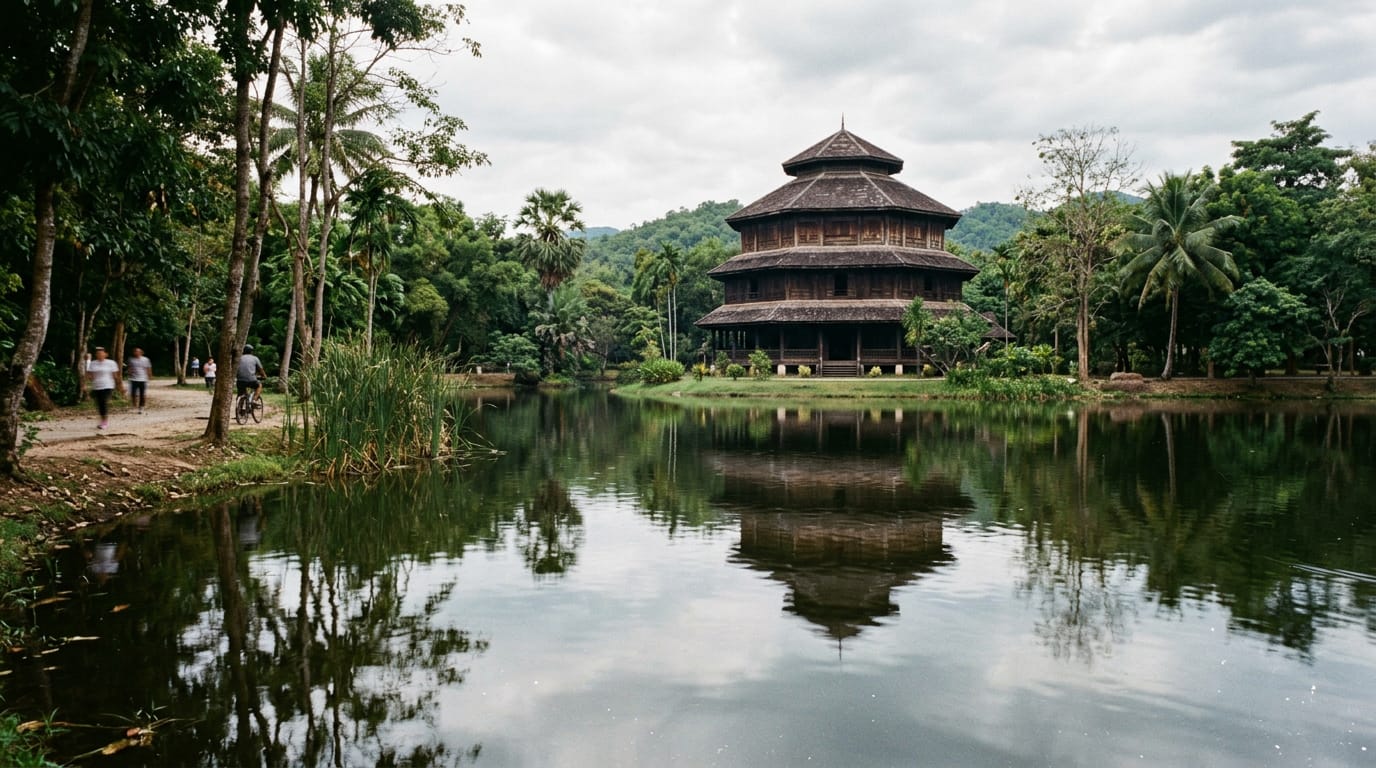
Museum
Chiang Mai Tribal Museum
The Tribal Museum is the only public collection in northern Thailand devoted entirely to the six recognised hill-tribe groups — Karen, Lisu, Lahu, Akha, Hmong and Mien. Founded in 1965 as the research arm of the Tribal Research Institute and rehoused in 1997 in a three-storey building overlooking the lake at Rajamangala Lanna Park, it shows traditional costume, ceremonial silver, agricultural tools and ritual dioramas drawn from decades of fieldwork in the hills around Chiang Mai and Mae Hong Son.
Read the guide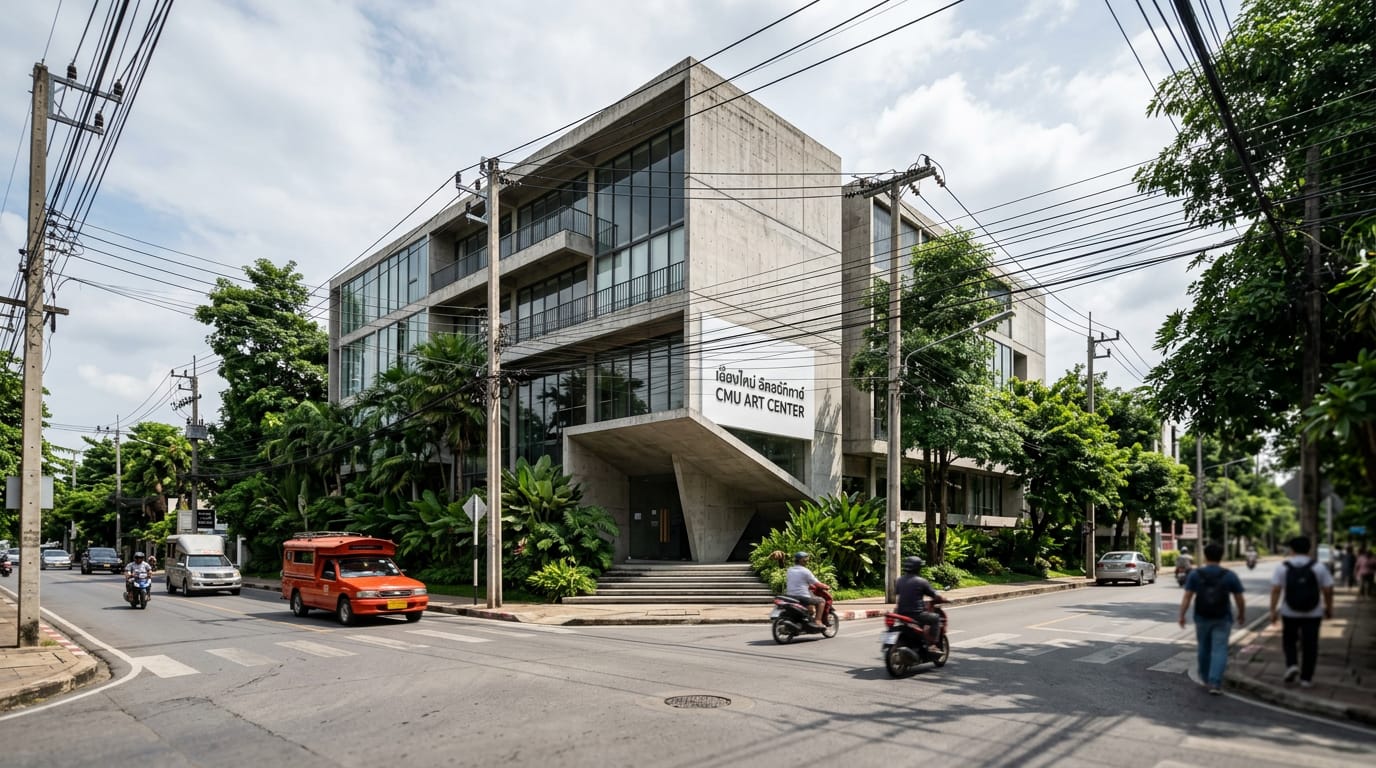
Museum
Chiang Mai University Art Centre
The Chiang Mai University Art Centre, on the corner of Nimmanhaemin and Suthep Road at the south edge of the CMU campus, is the principal contemporary art space in northern Thailand. Founded in 1994 by the Faculty of Fine Arts, it runs a rotating programme of three to five exhibitions a year drawn from regional Thai contemporary practice, broader Asian contemporary art and faculty curatorial projects. Free entry, modernist concrete and glass building, walking distance from every Nimman café.
Read the guide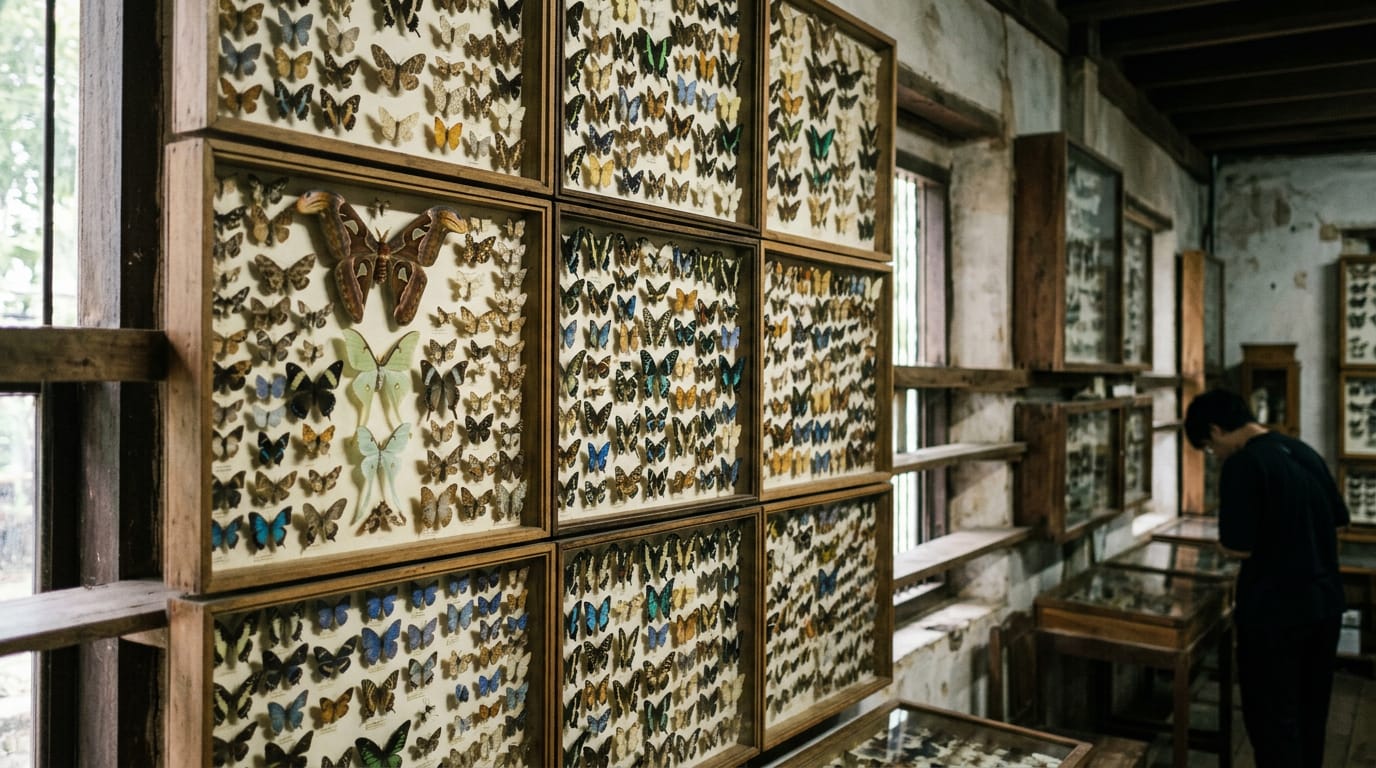
Museum
Museum of World Insects and Natural Wonders
The Museum of World Insects and Natural Wonders on Nimmanhaemin Soi 13 is the private lifetime collection of Dr Manop Rattanarithikul, an entomologist whose mosquito research formed part of the original malaria-eradication programme in northern Thailand, and his wife. Opened in 2000, the museum holds the world's most complete reference collection of Southeast Asian mosquito species alongside vast butterfly walls, beetles, fossils, sea life and a peculiar room of natural-wonder stones — dense, quirky, unforgettable.
Read the guideFrequently asked questions
Which museum should I visit in Chiang Mai?
If you have time for one, the Chiang Mai National Museum on the northern outskirts — it covers Lanna history from prehistory through the Chiang Mai kingdom and Siamese rule. If you have a rainy afternoon, the Lanna Folklife Museum and the Chiang Mai City Arts & Cultural Centre share a small plaza opposite Three Kings Monument and are walkable together.
Is the Chiang Mai Tribal Museum still open?
Yes, in the Rajamangala Lanna Park north of the city. It is the only institution in Thailand dedicated to the six recognised hill-tribe groups (Karen, Lisu, Lahu, Akha, Hmong, Mien). Open 09:00–16:00 weekdays, free entry — closed weekends. Currently the most under-visited of the city's good museums.
Is the Museum of World Insects worth visiting?
Yes, especially with children. It is a privately built collection of butterflies, moths, beetles and an extraordinary archive of mosquitoes from the founder's career as a malaria researcher. Quirky, dense, and unlike any other museum in Thailand. Around 60 baht entry.
What's the difference between the Arts & Cultural Centre and the Lanna Folklife Museum?
They face each other across the Three Kings plaza. The Arts & Cultural Centre is a broad overview of Chiang Mai's history, art and daily life. The Lanna Folklife Museum focuses on textiles, religious art and folk traditions specific to the Lanna kingdom. A combined ticket is around 180 baht and covers both plus the Chiang Mai Historical Centre next door.