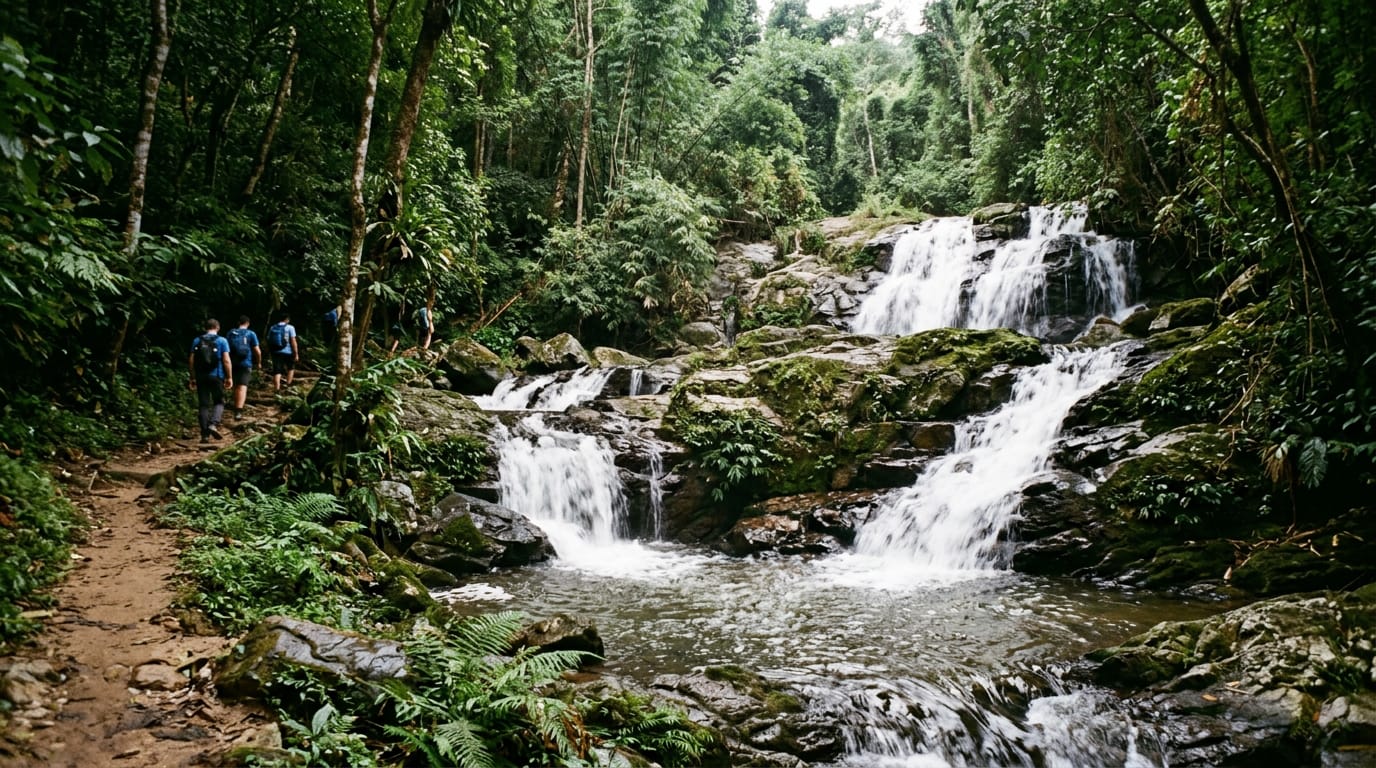
Mae Sa Valley is the green corridor that runs north-west of Chiang Mai along Route 1096, the first leg of the Samoeng loop. The 30 km stretch packs in a ten-tier waterfall, orchid farms, a botanic garden, ziplines and ethical elephant sanctuaries — most notably Elephant Nature Park, the country's best-known refuge for retired working elephants.
Updated
What it is
Mae Sa Valley is the green corridor that runs north-west out of Chiang Mai. The valley is the lower watershed of the Mae Sa river, which rises on the western slope of Doi Suthep–Pui and flows north-east to meet the Ping river at Mae Rim. Route 1096, a smooth two-lane road built in the 1980s, follows the valley floor for about 30 km from the junction with Route 107 at Mae Rim through to the small market town of Samoeng. It is the first leg of the Samoeng loop, the standard scenic day-drive from Chiang Mai.
The valley matters because it concentrates more visitor attractions per kilometre than anywhere else around the city. Inside that 30 km strip you have the closest substantial waterfall to Chiang Mai (Mae Sa waterfall, ten tiers), Thailand’s first international-standard botanic garden (Queen Sirikit), at least half a dozen orchid and butterfly farms, several elephant camps with very different welfare standards, two big-name zipline operators, a snake farm, the Mon Cham viewpoint, and the start of the road to Elephant Nature Park, the country’s most respected elephant refuge.
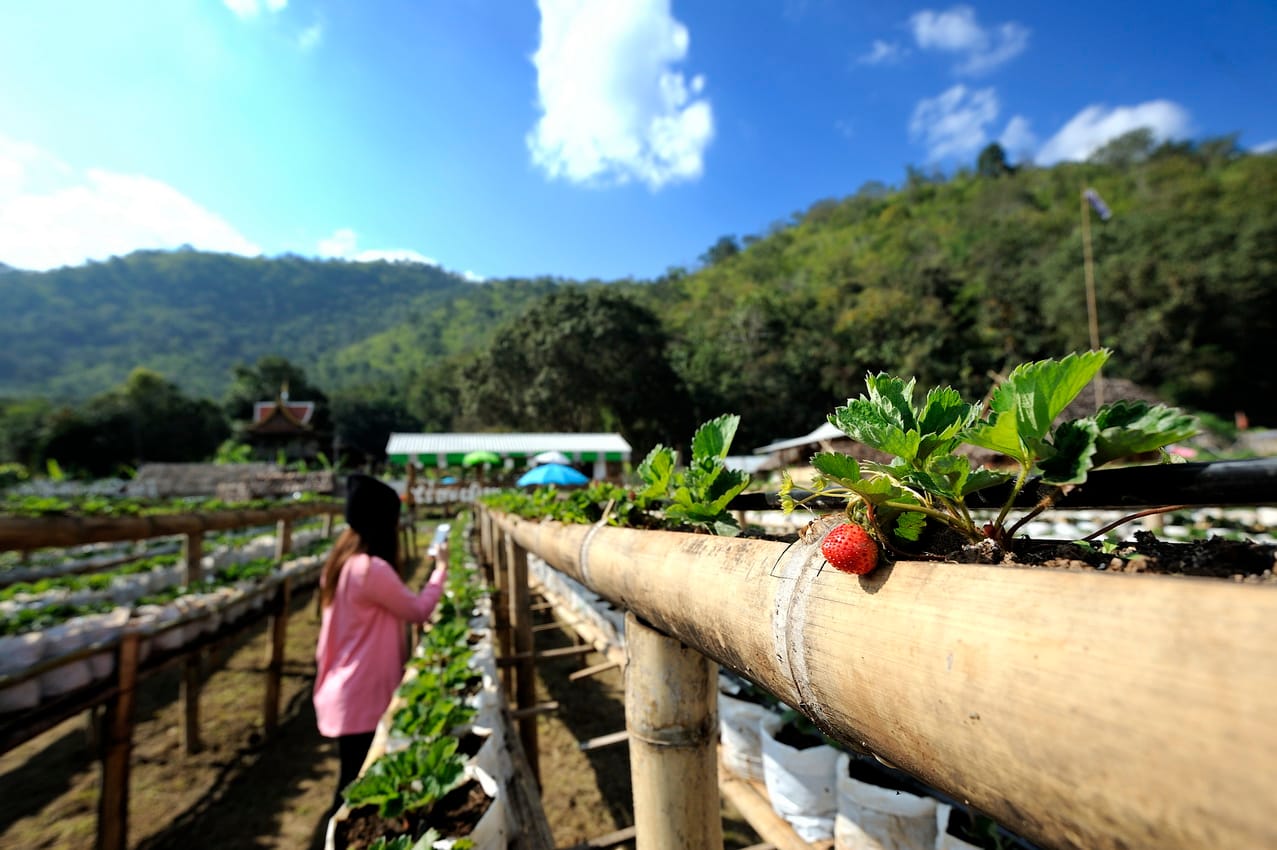
It is also a working agricultural valley. The hill above Pong Yang is patchworked with strawberry and rose farms; the floor of the valley around Pong Khrai grows hothouse vegetables for Chiang Mai’s restaurants; the upper end towards Samoeng is coffee and macadamia country. The roadside stalls (strawberries in season, fresh coconut, grilled corn, bottled honey) are part of the experience and one of the reasons the valley road never feels like a theme-park strip.
The climate is the other reason to come. The valley floor sits at 400–600 m, two to three degrees cooler than the city. By the time you climb to Mon Cham on the ridge above Pong Yang you have gained another 600 m and the temperature in November or December can be 15 °C in the morning. That is the local definition of fresh air and it draws Bangkok families up every long weekend.
Highlights
Mae Sa waterfall
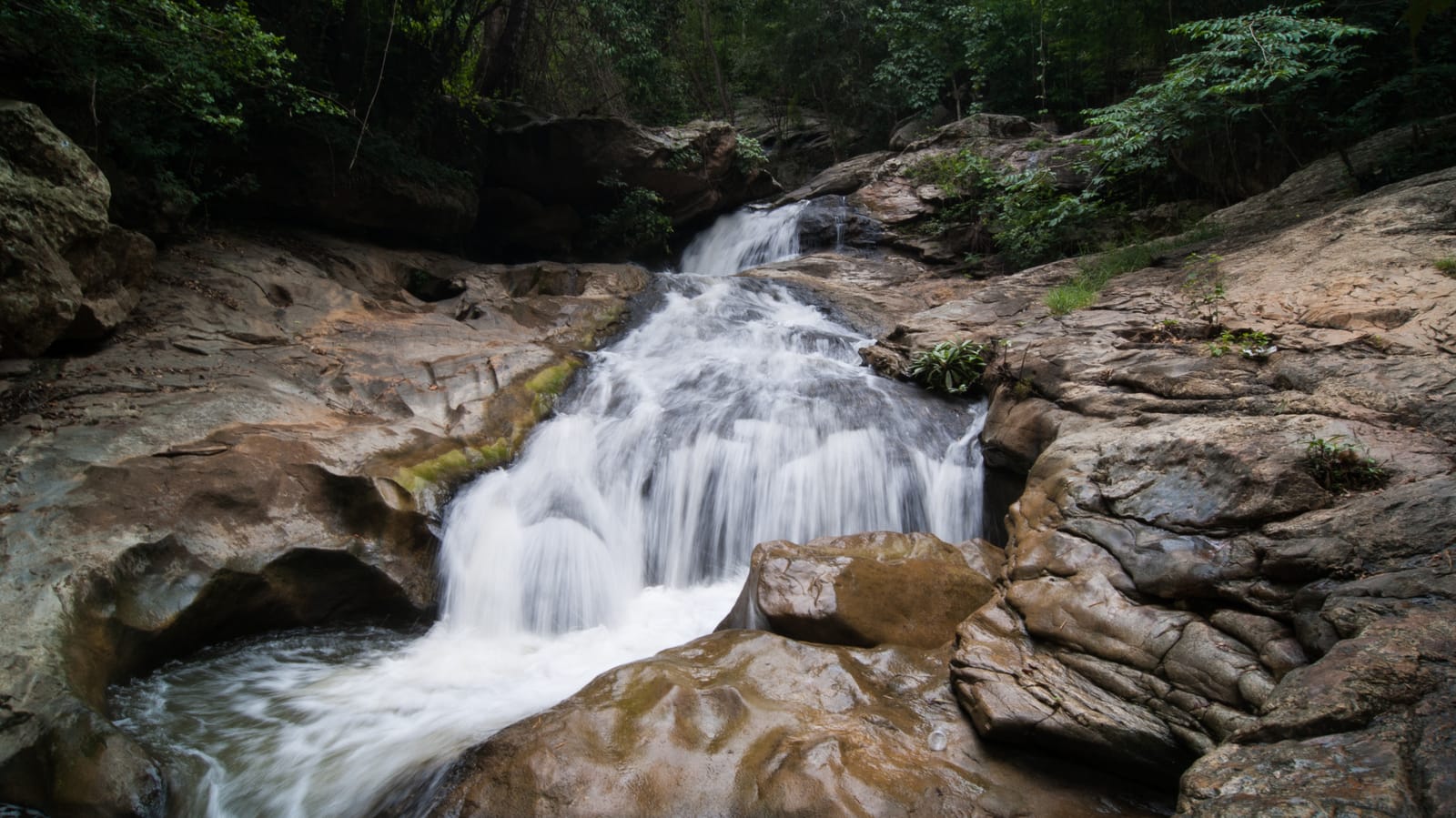
Mae Sa waterfall is the headline attraction and the closest substantial waterfall to Chiang Mai. It sits five kilometres west of the Mae Rim junction on Route 1096, inside Doi Suthep–Pui National Park, and falls in ten distinct tiers along about 1.5 km of forest stream. The lower tiers are the most accessible: a paved path leads from the car park past tiers 1 to 4, each with its own short scramble down to a paddling pool. Tiers 6 to 8 are the prettiest and have natural swimming pools chest-deep in the dry season. Beyond tier 8 the path becomes informal and the crowds thin out.
Entry is 100 baht foreigner adult, included in the 200 baht national park fee if you already have a ticket from Doi Suthep that same day. The site is open 08:00 to 17:00. There are toilets, a couple of noodle stalls and a small ranger station at the lower car park.
Orchid and butterfly farms
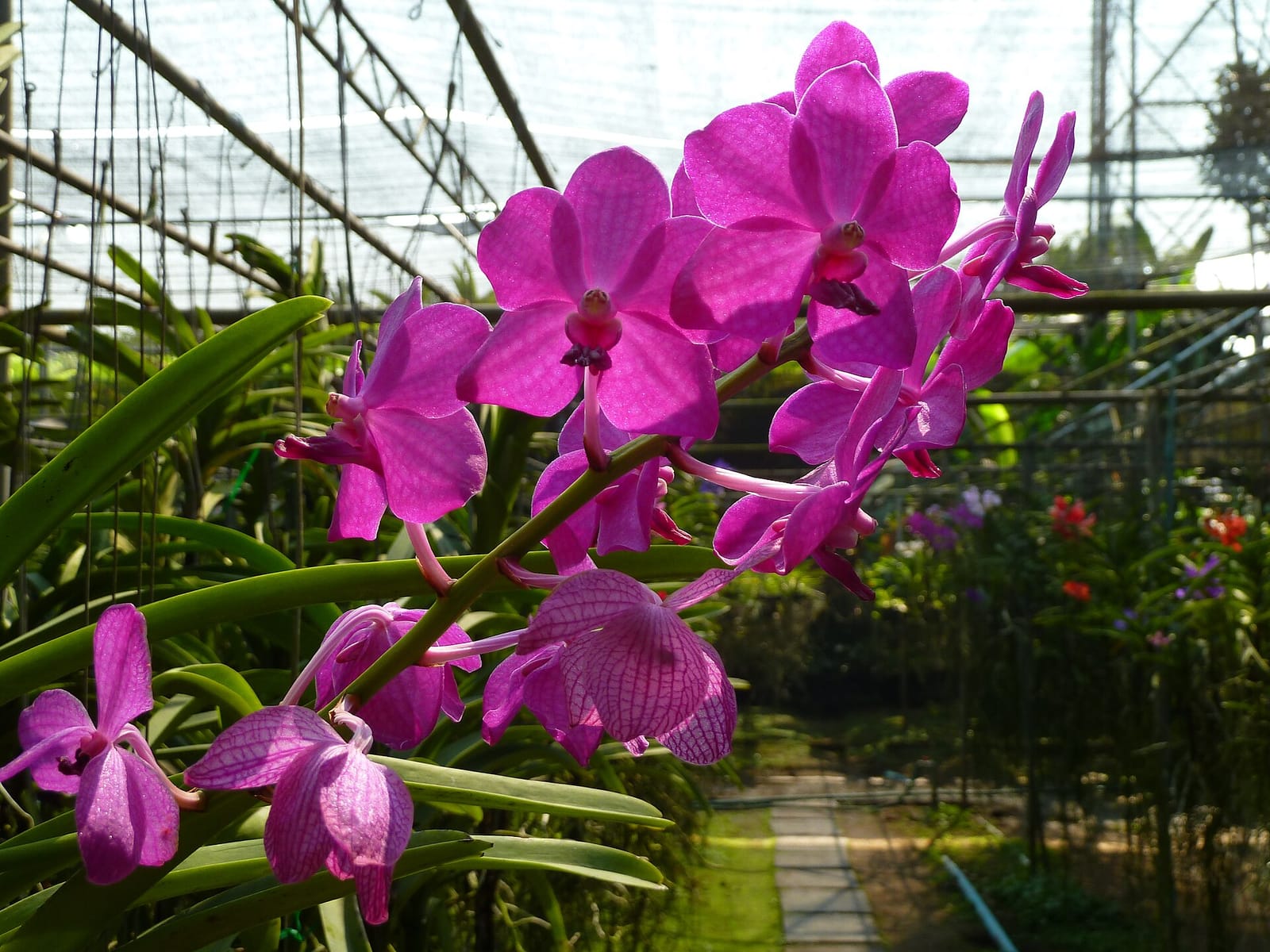
The Mae Sa orchid industry started in the 1970s and the half-dozen surviving farms on Route 1096 are now part display, part working nursery. Mae Sa Orchid Nursery at Km 6 is the largest and has a 100 m glasshouse of cattleyas and a separate butterfly enclosure with 30 native species (entry 40 baht). Pong Yang Orchid Farm at Km 10 is smaller and quieter, with a pond, koi, and a covered shop selling cut orchid sprays for 50 baht (entry 60 baht). Both sell potted Thai endemic species you cannot easily buy back in town.
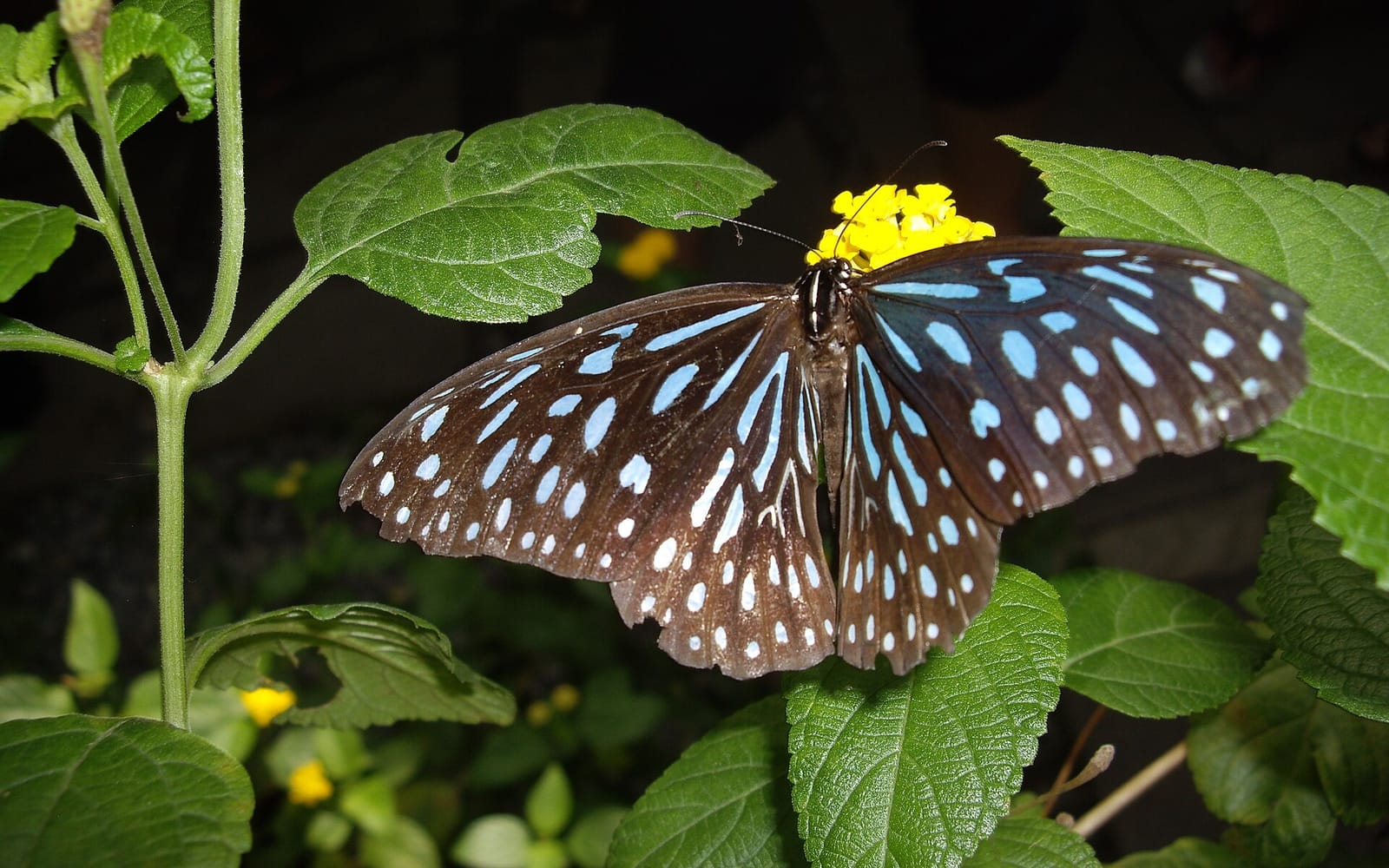
The butterfly enclosures are humid, planted with hibiscus and lantana, and good for ten minutes with children. Do not expect a Costa Rica-style canopy: these are working farms first.
Ethical elephant sanctuaries
This needs a clear line. Elephant-riding camps still operate in Mae Sa Valley, and several are obvious from the road. The welfare consensus among Thai vets, the major international animal-welfare bodies, and the elephant-sanctuary network itself is that riding causes long-term spinal damage and that the training required to make a young elephant carry a saddle involves forced separation from the mother and physical discipline. Visit an observation-only sanctuary instead.
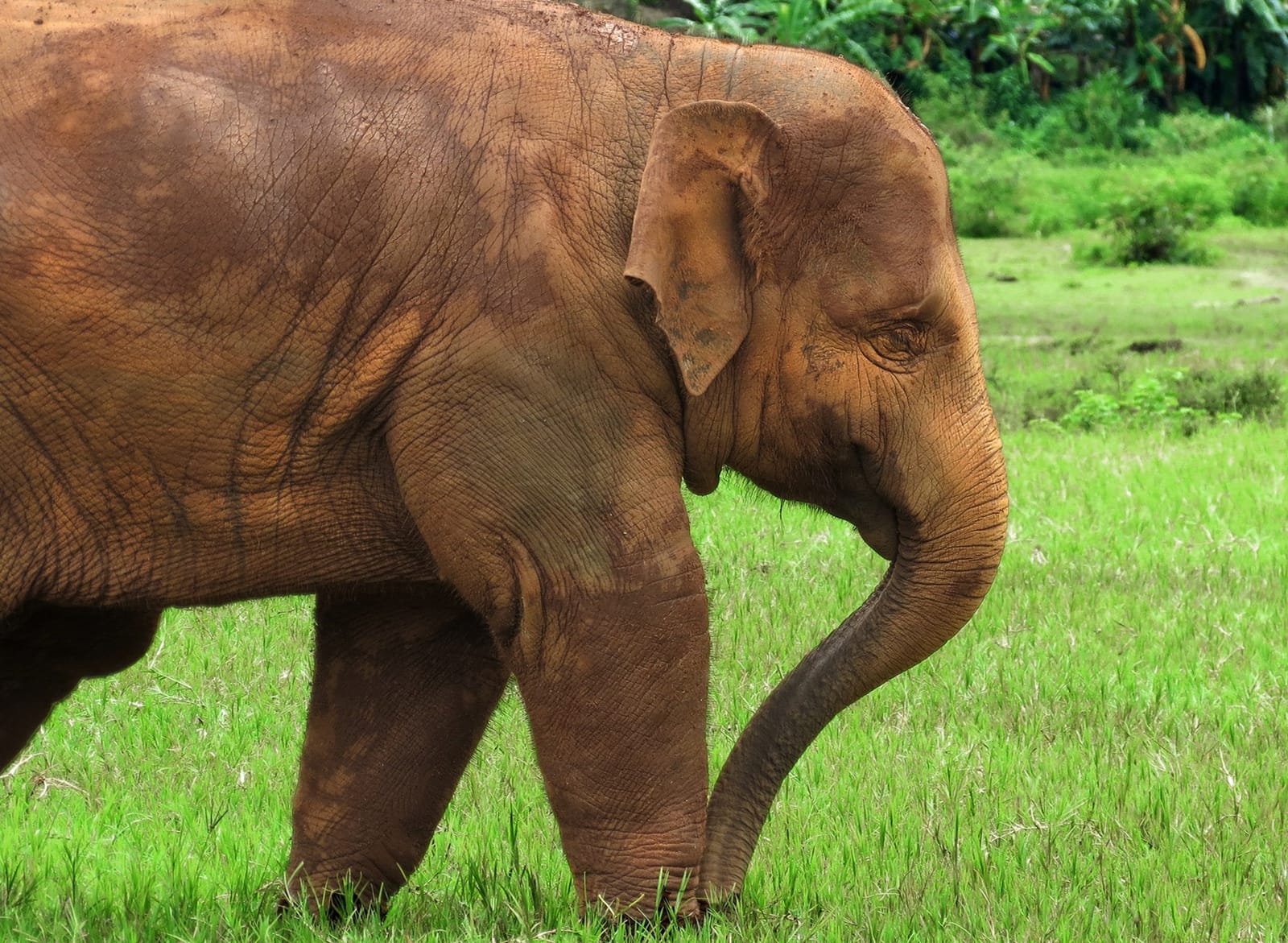
The model is Elephant Nature Park, founded by Sangduen “Lek” Chailert in the 1990s and now home to about 80 elephants retired from logging, trekking and the begging trade in Bangkok. It is technically just past the valley on Route 1095, and most operators count it as part of the Mae Sa day. A standard single-day visit costs 2,500 baht including transfer from Chiang Mai, lunch and four to five hours observing and feeding the herd; bathing is no longer offered (a deliberate welfare decision). Book directly through the official website to avoid touts.
Several smaller sanctuaries have followed the same model with smaller herds: Elephant Jungle Sanctuary, BEES (Burm and Emily’s Elephant Sanctuary) and Boon Lott’s Elephant Sanctuary. Verify before booking that the day excludes riding. A reputable sanctuary will say so on the front page of its site.
The traditional human partner of a working elephant is the mahout, who in retirement-sanctuary settings still cares for and feeds the elephants but no longer trains them to perform.
Queen Sirikit Botanic Garden
The Queen Sirikit Botanic Garden was founded in 1992 as Thailand’s first international-standard botanic garden and named after the queen mother. It covers 560 hectares on the south side of Route 1096 at Km 12 and is the most underrated single attraction in the valley.
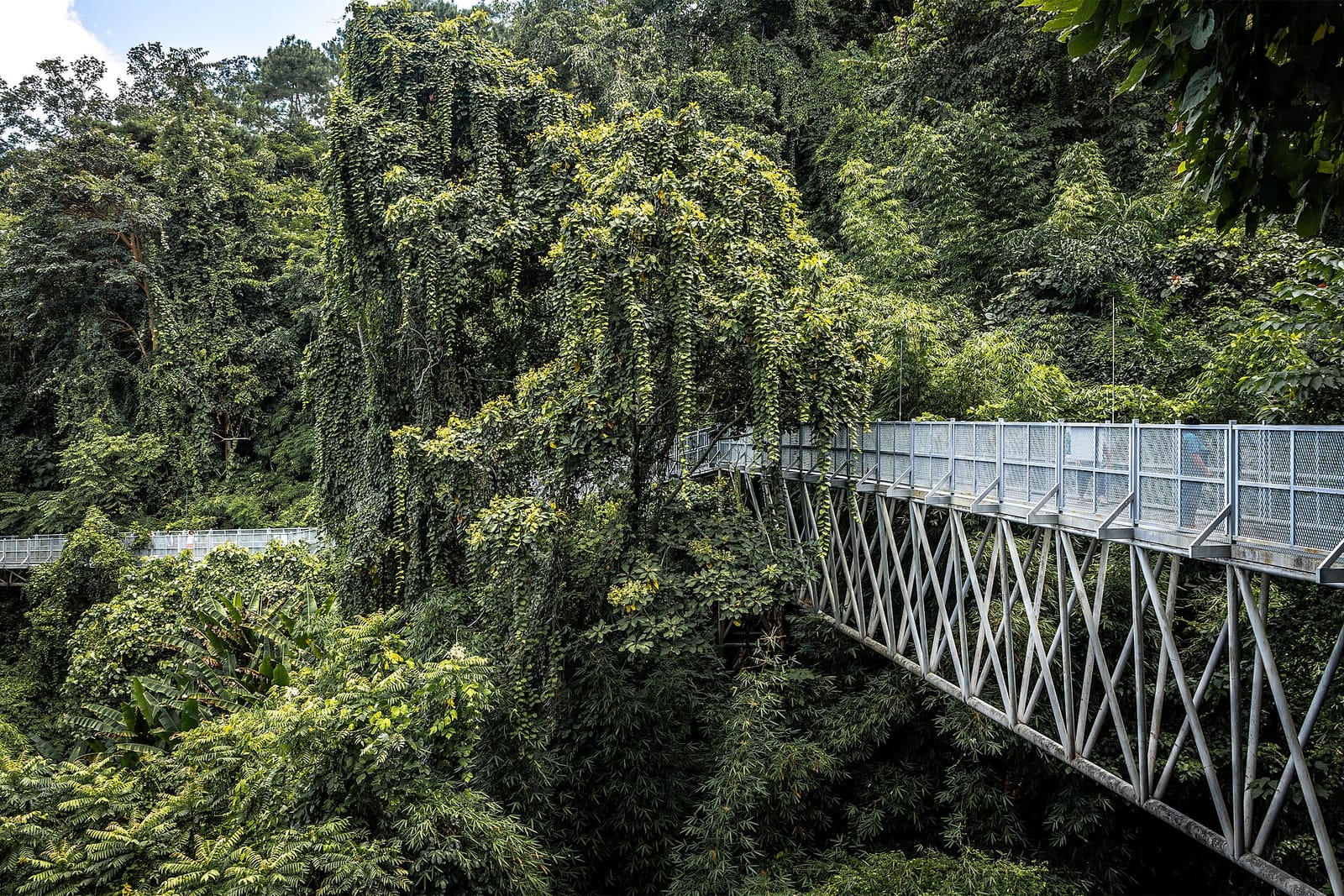
The highlight is the Canopy Walkway, a 400 m steel walkway suspended 20 m up through evergreen broadleaf forest, with a glass-floored section at the highest point. Five large thematic glasshouses (tropical rainforest, succulents, carnivorous plants, orchids and a Thai native species collection) sit on a separate ridge a short drive (or shuttle bus) above. Wear closed shoes for the canopy walkway; it is steel mesh and slippery in the rain. Entry 100 baht foreigner adult.
Ziplines and adventure parks
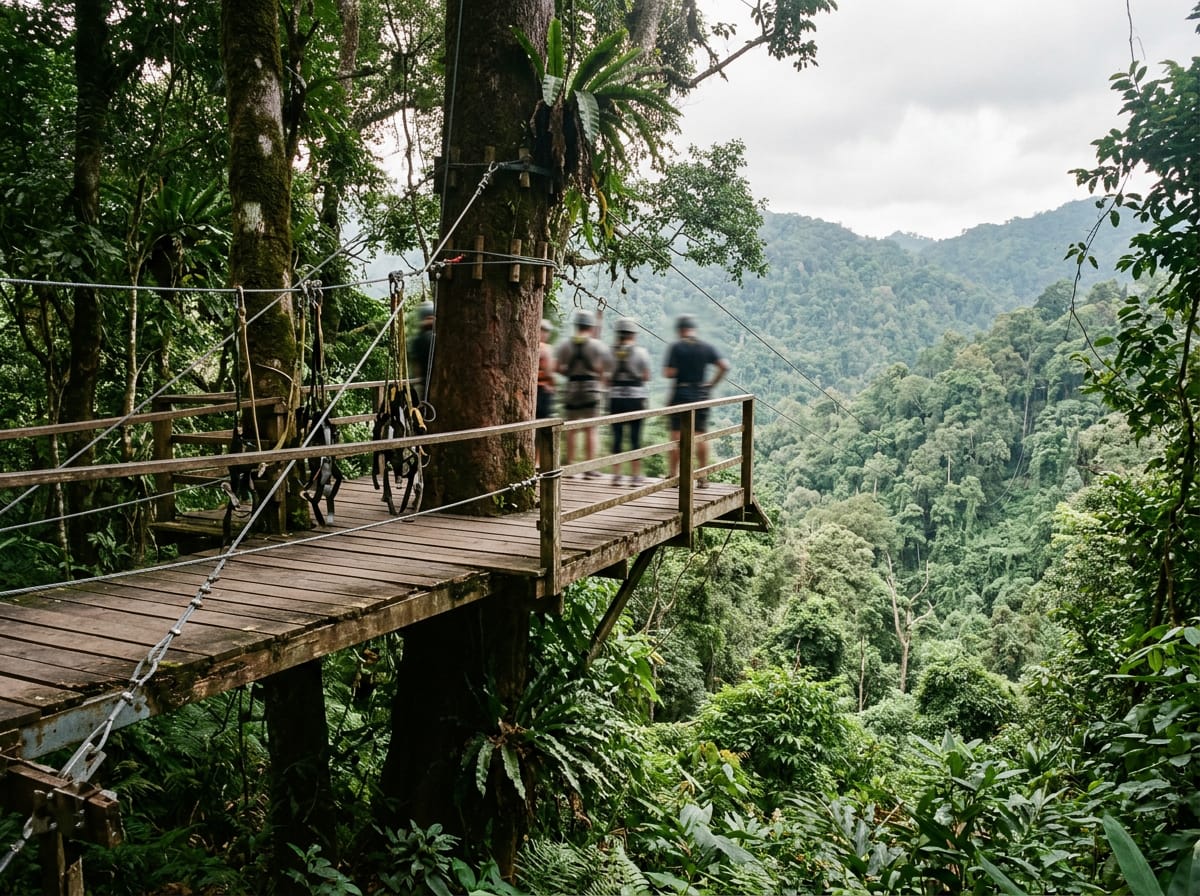
Flight of the Gibbon and Pongyang Jungle Coaster & Zipline both operate in the valley. Flight of the Gibbon has 33 platforms and a 5 km circuit through canopy forest on a ridge above Pong Yang; Pongyang adds a 1.5 km gravity coaster and shorter ziplines. Prices run 2,500–4,000 baht per person including transfer from Chiang Mai. Both use double-redundant clipping systems and have decent safety records; check that the operator’s certification is in date at the briefing.
Mon Cham viewpoint
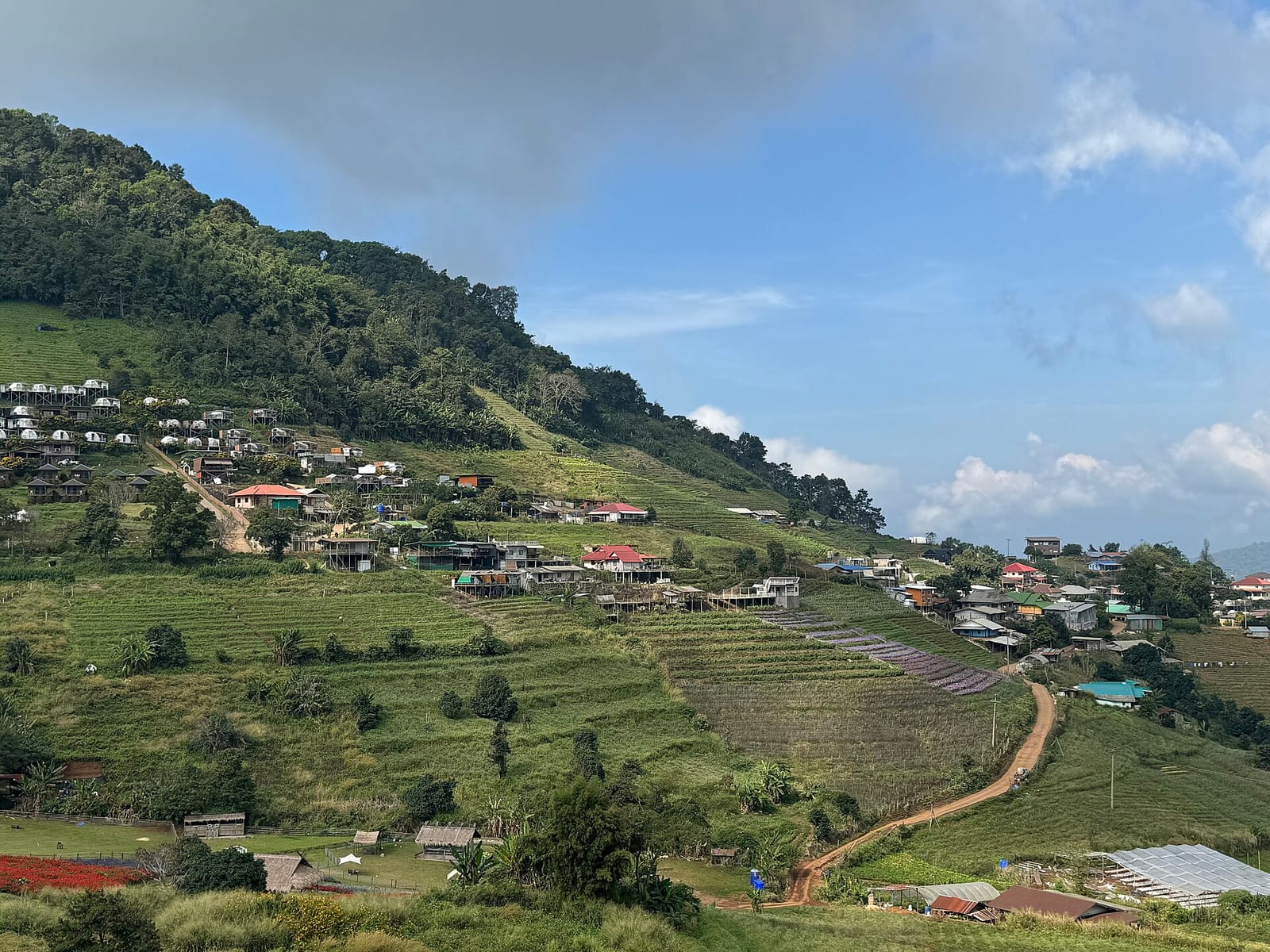
Mon Cham sits at 1,300 m on the ridge above Pong Yang, 18 km up Route 1096 then 4 km up a steep side road. The viewpoint is a former Hmong opium-poppy plantation converted under a royal project to grow strawberries, tea and cool-climate flowers. The site has a clutch of restaurants, glamping tents and a long line of viewpoints over the valley. Best in the early morning when cloud sits in the valley below.
How to visit
Most visitors do Mae Sa Valley as a day trip from Chiang Mai. The choice of transport depends on how many stops you want.
Private car or driver gives the most flexibility, which matters here because the attractions are spread along 30 km of road. Rental car 800–1,200 baht per day. Car with driver from a hotel 2,500–3,500 baht for the day. From the Old City, drive north on Route 107 for 15 km to Mae Rim, turn left onto Route 1096 at the signposted junction with Mae Sa Elephant Camp, and the attractions begin within five kilometres. Allow 45 minutes from the Old City to the waterfall.
Organised tours combine three or four stops, typically Mae Sa waterfall, an orchid farm, an elephant sanctuary and Mon Cham, for 800–1,200 baht per person, lunch extra.
Songthaew is the cheap option but only sensible if you have one fixed destination. Red shared songthaews from Chang Phueak gate run to Mae Rim for 100–150 baht. From Mae Rim, a yellow songthaew runs up Route 1096 to the waterfall for 60 baht, but the schedule is loose.
Scooter is fine for confident riders. The road is sealed and not steep until the Mon Cham turn-off. A 125 cc bike from Chiang Mai (250–300 baht per day) handles the climb. The downside is that fitting a wet swimsuit, picnic and souvenirs onto a scooter limits how much you can do.
A booked elephant-sanctuary day usually includes transfer in the price. Show up at the meeting point in town (typically the Old City) at 07:30 and the operator handles the rest.
Parking is free at every site except the Queen Sirikit Botanic Garden (which has free outer parking, paid inner). The waterfall has the largest car park and fills on weekends.
Fees and opening hours
Mae Sa waterfall: 100 baht adult foreigner, 50 baht child, 08:00–17:00.
Queen Sirikit Botanic Garden: 100 baht adult, 50 baht child, 08:30–17:00. Canopy walkway opens 09:00.
Orchid farms: 40–60 baht, 07:00–17:00.
Mae Sa Snake Farm: 200 baht, shows at 11:30 and 14:15.
Mon Cham: free to enter, restaurants charge individually.
Flight of the Gibbon: 4,000 baht standard package, 08:00 and 12:00 start times.
Elephant Nature Park: 2,500 baht single-day visit, 09:00–15:00 on site.
The 200 baht national park fee at the Mae Sa waterfall is separate from the Doi Suthep fee but reciprocal: a Doi Suthep ticket from the same day is valid at the Mae Sa gate.
What to bring and wear
A swimsuit and a quick-dry towel for the waterfall — the upper-tier pools are the point of the visit.
Closed walking shoes for the Queen Sirikit canopy walkway and the upper tiers of the waterfall. Sandals for everything else.
Insect repellent for the orchid farms and the canopy walkway.
A light long-sleeved layer for the higher altitudes around Mon Cham, especially in the morning between November and February.
Cash in baht for entry fees, parking and roadside food. Many sites have card readers; none of them are reliable.
Sunscreen and a hat for the ziplines and the open viewpoints.
Best season
October to February is the prime window: dry, cool, with the waterfall still running high from the end of the rains and Mon Cham at its photogenic best. Weekends in December and January are crowded; go midweek if you can.
March to May is hot and hazy in the lowlands. The valley itself stays cooler than the city, and the strawberries are at their peak in March, but burning-season smoke can dull the views. Some waterfalls drop to a trickle by late April.
June to October is the rainy season. Mornings are usually clear; afternoons bring heavy showers. The waterfall is at its most spectacular and the valley at its lushest. Ziplines run except in lightning storms; the canopy walkway closes briefly in heavy rain.
Where to eat nearby
Roadside food in Mae Sa Valley is genuinely good. Tong Tueng at Km 14 is a long-running northern Thai restaurant set above a fishpond, with khao soi, sai ua sausage, nam phrik num and good crispy pork (mains 90–180 baht). Cherng Doi Roast Chicken a little further up serves pit-roasted chicken with sticky rice and a famously fiery dipping sauce. Strawberry stalls between Pong Yang and Mon Cham sell shakes for 40 baht.
At Mon Cham itself, Mon Cham Restaurant and several smaller terraces serve standard Thai food at viewpoint prices (200–400 baht) but the setting is the point.
Near the waterfall, the cluster of noodle shops at the lower car park is fine for lunch. For a step up, The Riverside Restaurant on the way back into Mae Rim sits over the Ping river and serves the best fried fish in the area.
Combine with…
For a half-day, pair Mae Sa waterfall with one orchid farm and the Queen Sirikit Botanic Garden: three stops, lunch at Tong Tueng, back in town by 16:00.
For a full day, drive the Samoeng loop: continue west on Route 1096 past Mon Cham to Samoeng town, then south on Route 1269 through coffee plantations to Hang Dong and back into Chiang Mai. About 100 km total. The western leg is the quietest and prettiest part of the loop.
For a one-attraction day, an ethical elephant visit at Elephant Nature Park or BEES (book direct) is the single best use of the valley.
The valley pairs well with the Doi Suthep mountain on the other side of the same ridge. The Hmong village at Doi Pui and Mae Sa Valley are walking distance apart as the crow flies (the Doi Pui to Doi Suthep hike runs along that ridge), and the contrast between the steep tourist temple road and the relaxed agricultural valley is instructive. For a flatter family day before or after, Chiang Mai Zoo sits at the base of Doi Suthep on the way back into town, and Royal Flora Ratchaphruek is a botanic garden of a different kind on the south-west of the city. The next valley north contains Mok Fa waterfall, another easy stop on the way to Pai if you are continuing.
Photos
Frequently asked questions
Where is Mae Sa Valley?
Mae Sa Valley runs north-west of Chiang Mai along Route 1096, starting at Mae Rim (15 km north of the city on Route 107) and continuing west towards Samoeng for about 30 km. It is the first leg of the Samoeng loop, the standard scenic day-drive from Chiang Mai.
Is it ethical to ride elephants in Mae Sa Valley?
No. Elephant-riding camps still operate in the valley but the welfare consensus among Thai vets, sanctuaries and international animal-welfare bodies is clear: riding causes spinal damage and the training to permit riding involves forcible separation and physical discipline. Visit an observation-only sanctuary instead. Elephant Nature Park, on Route 1095 just past the valley, is the best-known ethical option and the model for the change in the industry.
What is Elephant Nature Park?
Elephant Nature Park is a 100-hectare rescue and refuge for elephants retired from logging, trekking, begging and circuses, founded by Sangduen Lek Chailert in the 1990s. Visitors observe the herd, feed them and watch them bathe in the river. Single-day visits cost 2,500 baht including transfer from Chiang Mai and lunch; book through the official website.
What is the closest waterfall to Chiang Mai?
Mae Sa waterfall is the closest substantial waterfall to Chiang Mai — about 35 km from the Old City, 45 minutes by car. It has ten tiers stacked along a forest stream and a paved walking path connecting them. Entry 100 baht for foreigners.
How many tiers does Mae Sa waterfall have?
Ten distinct tiers spread along about 1.5 km of stream. Tiers 1 and 2 are the most accessible and the busiest; tiers 6 to 8 are the prettiest and have natural pools deep enough for swimming. The path beyond tier 8 is steep and lightly used.
Are there orchid farms in Mae Sa Valley?
Yes — several. Mae Sa Orchid Nursery and Pong Yang Orchid Farm both sit on Route 1096 within ten kilometres of the Mae Sa junction. Both grow cattleyas, dendrobiums and Thai endemic species commercially and welcome visitors for 40–60 baht. Most also have butterfly enclosures.
What is the Queen Sirikit Botanic Garden?
Thailand's first international-standard botanic garden, founded in 1992 and named after the queen. It covers 560 hectares on the south side of Route 1096 at Km 12 and includes a canopy walkway, several thematic glasshouses, a herb garden and signposted forest trails. Entry 100 baht foreigner adult.
Can I do the Samoeng loop in a day?
Yes. The full loop is 100 km — north from Chiang Mai to Mae Rim, west along Route 1096 through Mae Sa Valley to Samoeng, then south on Route 1269 back to Hang Dong and into the city. Allow 6–8 hours with stops. The roads are sealed and well graded; the western leg is the most scenic.
Are there ziplines in Mae Sa Valley?
Yes. Flight of the Gibbon and Pongyang Jungle Coaster & Zipline both operate canopy zipline circuits with 18–33 platforms. Prices run 2,500–4,000 baht per person including transfer from Chiang Mai. Both have decent safety records and use double-redundant clipping systems.
Is Mae Sa Valley good for children?
Yes — the butterfly gardens, orchid farms, the lower tiers of the waterfall, the Queen Sirikit Botanic Garden canopy walk and an ethical elephant visit make it the most child-friendly day trip near Chiang Mai. Pace it as two or three stops and a long lunch rather than five.
Related guides
Sight
Doi Suthep
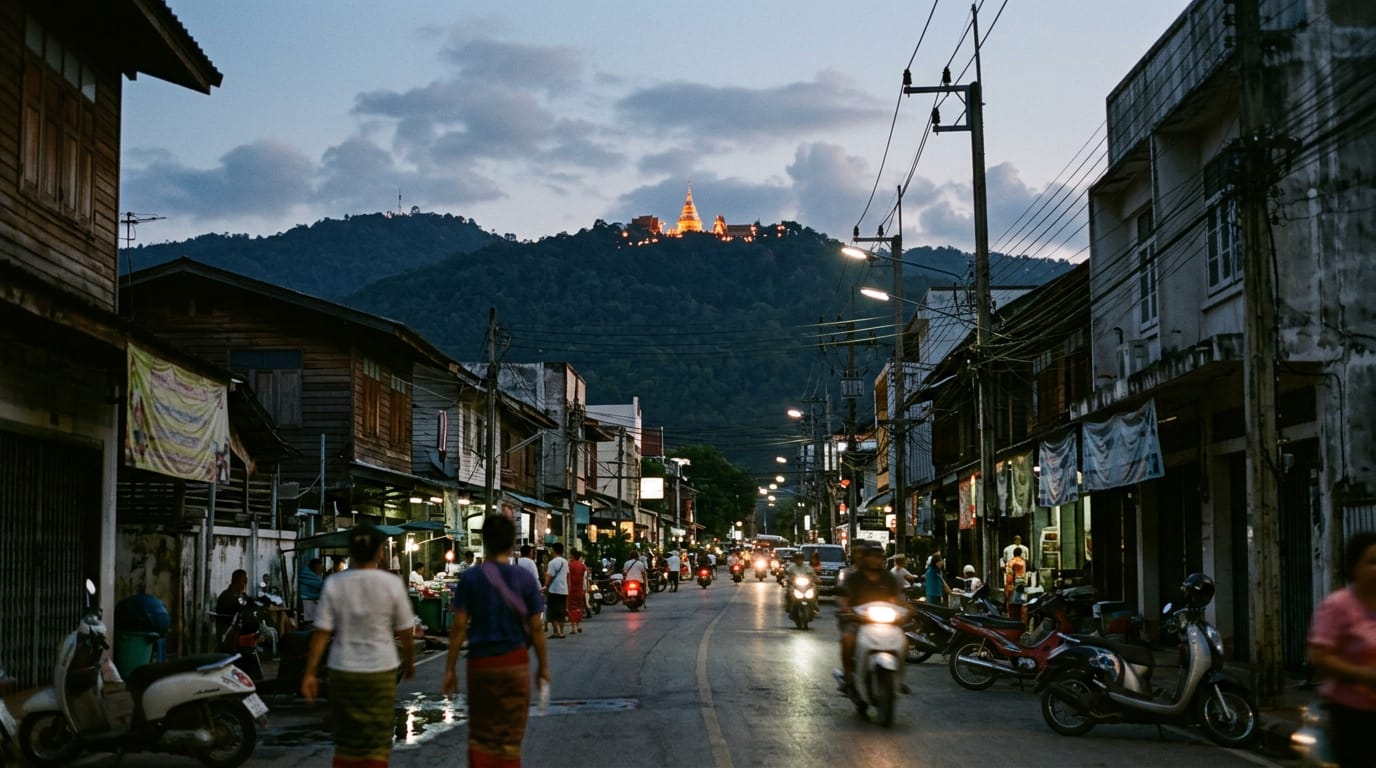
Doi Suthep is the 1,676 m mountain that rises straight out of the western suburbs of Chiang Mai. The mountain holds the city's most photographed temple at 1,073 m, the king's winter palace, a Hmong village near the summit and several waterfalls — and is a separate destination from the temple of the same name, which sits on its flank.
Sight
Chiang Mai Zoo
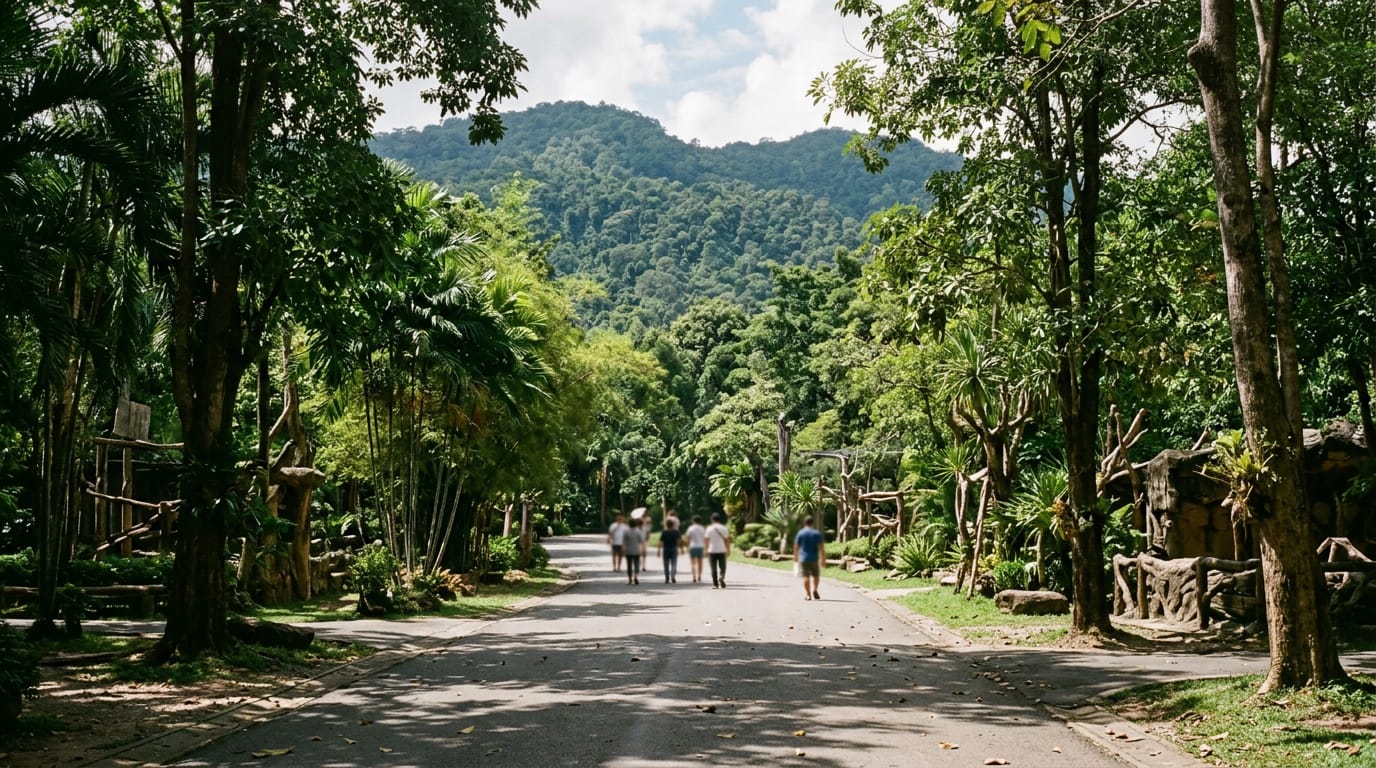
Chiang Mai Zoo sits at the foot of Doi Suthep, just outside the Old City, and is one of only a handful of zoos outside China to host giant pandas. The 81-hectare site sprawls up a forested hillside with around 400 species, an aquarium, a panda house and a tram service that handles the climb between the lower and upper enclosures.
Sight
Royal Flora Ratchaphruek
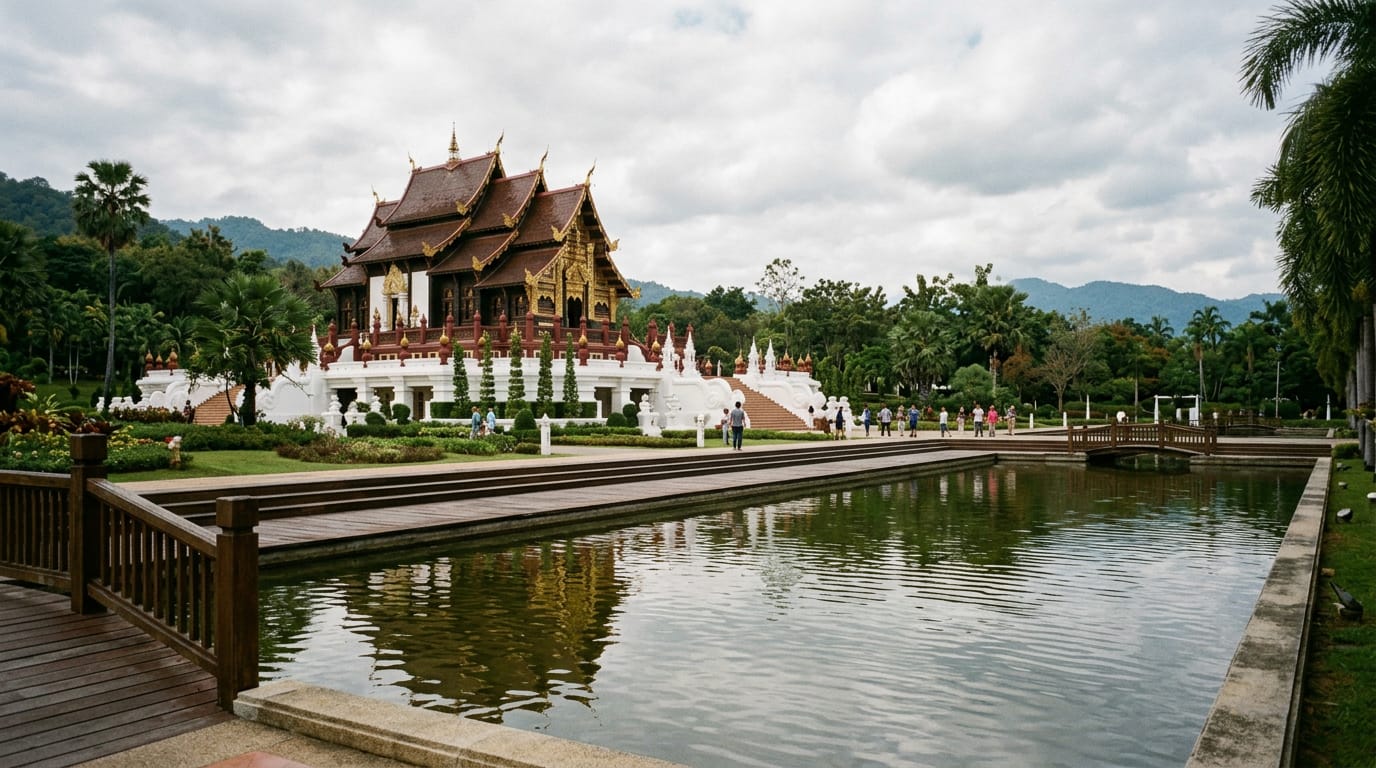
Royal Flora Ratchaphruek is an 80-hectare botanical exposition six kilometres south-west of Chiang Mai, built in 2006 for the International Horticultural Exposition honouring King Bhumibol's 60-year reign. The site collects themed gardens from every Thai province and 32 foreign countries around the gilded Royal Pavilion (Ho Kham Luang) and a tropical glasshouse.